

Wisdom, an intricate facet of human existence, offers profound insights into life’s intricacies. In this blog post, we embark on a journey to unravel the wisdom of Charles Bukowski, a man whose life and philosophy have left an indelible mark. Our purpose is to delve into the essence of wisdom through the exploration of notable individuals and the wisdom they impart.
Biography
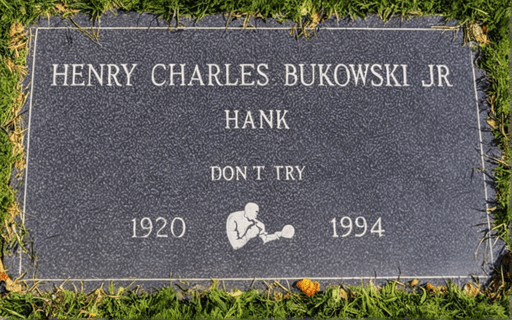
Charles Bukowski, born on August 16, 1920, in Andernach, Germany, and raised in Los Angeles, California, led a life punctuated by struggle and creativity. Emigrating to the United States at a young age, he endured a challenging upbringing, shaping his unique worldview. Bukowski’s education journey was one of rebellion, opting for a life of self-education through voracious reading and intense contemplation. The gritty streets of Los Angeles became his classroom, and the people he encountered became characters in the story of his life.
Throughout his formative years, Bukowski faced relentless adversity, struggling against poverty and societal expectations. His experiences fueled his art, injecting a raw and unapologetic authenticity into his works. Bukowski’s ability to draw from the depths of hardship and translate it into literature showcased the resilience and tenacity that defined his character.
“Some people never go crazy. What truly horrible lives they must lead.”
Charles Bukowski

Key Philosophical Beliefs
At the core of Bukowski’s philosophy was a brutal yet honest perception of the human condition. He believed in embracing life’s harsh realities, often portraying them unapologetically in his works. Bukowski advocated for the pursuit of passion, even in the face of adversity. His writings often reflected a disdain for societal norms and a deep-rooted belief in the authenticity of the individual. To him, true wisdom lay in confronting the darker aspects of life, acknowledging them, and finding a way to coexist with the shadows.
Charles Bukowski’s philosophy was a rebellion against conformity. He detested the mechanized routine of modern society and celebrated the chaotic, unpredictable nature of existence. He believed that genuine art and authentic living could only stem from an unfiltered, unvarnished depiction of reality, however gritty or uncomfortable it might be.

Notable Achievements
Charles Bukowski’s works, which include novels like “Post Office” and “Factotum,” as well as a plethora of poems and short stories, have left an indelible mark on the literary world. His raw, unfiltered depiction of life resonated with many, earning him a dedicated following. Despite the odds stacked against him, Bukowski’s perseverance and dedication to his craft propelled him to literary acclaim. He transformed his life’s challenges into literary gold, painting a vivid and sometimes painful portrait of the human experience.
In the realm of literature, Bukowski’s contributions were profound. His works challenged conventional norms and broke through barriers, paving the way for a generation of writers unafraid to delve into the gritty realities of life. Beyond his literary accomplishments, Bukowski’s resilience and unwavering commitment to his craft served as an inspiration to countless individuals facing their own trials and tribulations.
“The problem with the world is that the intelligent people are full of doubts, while the stupid ones are full of confidence.”
Charles Bukowski

Lessons in Wisdom
From Charles Bukowski’s life and writings, readers can extract invaluable lessons. One prominent lesson is the importance of authenticity and staying true to oneself despite societal pressures. Bukowski’s journey underscores the significance of resilience, demonstrating that passion and perseverance can triumph over adversity. Additionally, embracing life’s complexities, both the beautiful and the brutal, can lead to a deeper understanding of our existence. Through Bukowski’s lens, we learn that wisdom often emerges from the crucible of hardship and the pursuit of our passions.
Bukowski’s life encourages us to embrace our scars and imperfections, for they are an integral part of who we are. It’s a reminder that life’s struggles can be the canvas upon which we paint our masterpieces. By facing life head-on and expressing our truest selves, we can forge our path to wisdom and leave an indelible mark on the world.
“Find what you love and let it kill you.”
Charles Bukowski
Conclusion
In the exploration of Charles Bukowski’s life and philosophy, we have uncovered the essence of wisdom—embracing life’s challenges, being authentic, and persisting through struggles. Bukowski’s narrative teaches us that wisdom often emerges from the crucible of hardship and the pursuit of our passions.
Additional Resources
For further exploration of Charles Bukowski’s life and philosophy, consider reading his notable works, including “Post Office,” “Factotum,” and “Ham on Rye.” Additionally, delve into the vast collection of his poetry, offering unique insights into the human experience.
Author’s Note:
I resonate with Bukowski’s unapologetic approach to life and the pursuit of one’s passions. His philosophy serves as a reminder to stand firm in our convictions, even in the face of societal expectations. Through Bukowski’s lens, we glimpse the beauty that arises from embracing our true selves and persisting on our chosen path.
 Cloud Champion