
Tech Skills Are in Demand: The Power of Networking and Relationship Building

In the blistering realm of technology, survival is more than just about the cold, hard code. It’s about the fire in your belly, the alliances you forge, the network you weave. The tech realm dances not just to the rhythm of algorithms but also to the symphony of human collaboration. Networking and building relationships within the tech community can significantly impact your career trajectory and opportunities.

The Evolving Tech Landscape

The tech landscape is in a perpetual state of evolution, with emerging technologies disrupting traditional norms. The demand for specialized technical skills is higher than ever, with fields like data science, artificial intelligence, cybersecurity, and software development experiencing exponential growth.

The Role of Networking

While having strong technical skills remains paramount, networking has emerged as a powerful tool in a tech professional’s toolkit. Networking goes beyond a simple exchange of business cards or LinkedIn connections; it’s about cultivating meaningful relationships that can lead to collaborations, mentorships, job opportunities, and industry knowledge.

Benefits of Networking in the Tech Industry

  1. Knowledge Sharing and Learning Opportunities: Networking provides a platform to share insights, experiences, and knowledge. Engaging with professionals from diverse backgrounds exposes you to different perspectives and the latest trends in the tech industry.
  2. Career Growth and Opportunities: Networking often opens doors to exciting career opportunities. From job referrals to freelance gigs and potential partnerships, the connections you make can play a significant role in advancing your career.
  3. Industry Insights and Trends: Staying updated with the latest industry trends and technologies is critical. Networking events, conferences, and discussions provide a window into the future of tech, allowing you to align your skills and knowledge accordingly.
  4. Mentorship and Guidance: Building relationships with seasoned professionals can result in mentorship. A mentor can provide invaluable guidance, helping you navigate your career path, make informed decisions, and avoid common pitfalls.
  5. Collaborations and Projects: Collaborations often stem from networking. Working on projects with other professionals not only enhances your skill set but also broadens your horizons and increases your visibility within the tech community.
  6. Increased Visibility and Credibility: Actively participating in industry events and online forums boosts your visibility and credibility. Being recognized as an engaged and informed professional can open numerous doors for you.

Tips for Effective Networking

  1. Attend Industry Events and Conferences: Actively participate in tech-related events, both physical and virtual. These events provide a platform to meet like-minded professionals, exchange ideas, and discover potential collaboration opportunities.
  2. Leverage Online Platforms: Utilize professional networking platforms like LinkedIn, GitHub, and Stack Overflow to connect with industry professionals. Share your experiences, insights, and engage in meaningful conversations.
  3. Join Tech Communities and Forums: Become a member of tech communities and online forums related to your field of expertise. Contribute to discussions, seek advice, and provide guidance to others.
  4. Volunteer for Tech Initiatives: Offer your skills and expertise to tech-related initiatives and community projects. Volunteering not only allows you to give back but also helps you establish valuable connections.
  5. Seek Informational Interviews: Request informational interviews with professionals in your desired field. These casual conversations can provide deep insights into the industry, potential career paths, and how to navigate challenges.
  6. Follow Up and Stay Connected: After making an initial connection, don’t forget to follow up. Nurture these relationships by staying in touch, offering assistance, and showing genuine interest in others’ endeavors.
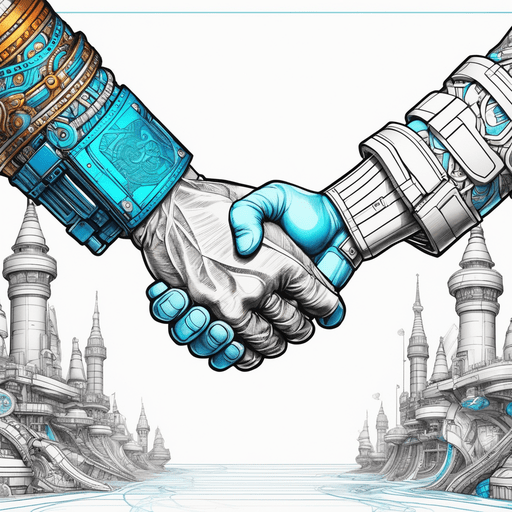
Building Long-Term Relationships

  1. Be Genuine and Authentic: Authenticity is the foundation of meaningful relationships. Be yourself, and let your true personality shine through in your interactions.
  2. Offer Value and Help Others: Networking isn’t just about what you can gain; it’s about mutual value exchange. Offer help, share your knowledge, and contribute to others’ success.
  3. Listen Actively: Pay close attention to what others are saying, and show genuine interest in their stories and experiences. Active listening is the bedrock of strong relationships.
  4. Express Gratitude: Appreciate the time and efforts others invest in you. A simple thank you can go a long way in building lasting relationships.

The Verdict

In the dynamic tech industry, networking is no longer an option—it’s a necessity. Embrace the power of connections, engage with the community, and watch as your career takes flight. The relationships you cultivate today could be the key to unlocking exciting opportunities tomorrow. Stay connected, stay engaged, and let your tech journey be a collaborative and fulfilling one.

In this vast cosmic dance of 1s and 0s, we realize that our journey is about more than just mastering spells; it’s about synchronizing with the cosmic rhythm. It’s a dance where the steps are constantly changing, and only those attuned to the dance of change can truly waltz through the galaxies of success.


Book Review: Awareness by Anthony de Mello

Today, we delve into a profound exploration of the mind, heart, and soul through the lens of “Awareness,” a captivating book by Anthony de Mello. As someone passionate about philosophy and personal growth, this book struck a chord with me, aligning with our pursuit of self-reliance and spiritual awakening.

“Awareness” is a timeless guide that encourages us to open our eyes to the world around us and, more importantly, within ourselves. De Mello’s approach to spiritual awakening is deeply rooted in understanding one’s thoughts, beliefs, and conditioned behaviors that shape our lives.

The narrative unravels through a series of contemplative teachings, anecdotes, and exercises that prod us to question our preconceived notions and societal conditioning. The author’s gentle yet compelling writing style implores readers to explore their inner landscapes, inviting transformation and self-awareness.

The greatest gift you can give another is the purity of your attention.

Anthony de Mello, “Awareness”

One of the key takeaways is the notion of ‘waking up’ from the illusions we create in our minds—illusions that often dictate our actions, reactions, and perspectives. De Mello invites us to shed these illusions and embrace reality with clear eyes and an open heart.

His teachings on detachment and the liberation it brings resonate deeply with those striving for financial freedom and seeking a harmonious life. By cultivating a sense of detachment from material possessions and external validation, we pave the way for genuine happiness and inner peace.

Your experience of someone or something cannot be direct, because your experience is always mediated by your beliefs and your feelings about the person or the event. That immediately introduces distortion into every experience, creating the illusion that you are experiencing people and events directly.

Anthony de Mello, “Awareness”

De Mello’s teachings on passion and purpose struck a chord. The book emphasizes aligning our passions with our life’s purpose, guiding us towards a fulfilling and authentic existence.

In the journey towards financial freedom and self-reliance, “Awareness” serves as a compass, providing insights on embracing uncertainty and finding peace amidst life’s challenges. De Mello’s wisdom serves as a reminder that true freedom comes from within, and by cultivating awareness, we can navigate our paths with grace and mindfulness.

In conclusion, “Awareness” by Anthony de Mello is a thought-provoking read that beckons us to awaken our consciousness, transcending the boundaries of our own minds. For those aspiring to live authentically and realize their goals, this book is an invaluable tool. May your journey of self-discovery and growth be enriched by the profound wisdom within these pages.

Be aware!

Spirituality means waking up. Most people, even though they don’t know it, are asleep. They’re born asleep, they live asleep, they marry in their sleep, they breed children in their sleep, they die in their sleep without ever waking up. They never understand the loveliness and the beauty of this thing that we call human existence.

Anthony de Mello, “Awareness”

Unveiling Wisdom: The Charles Bukowski Perspective

Wisdom, an intricate facet of human existence, offers profound insights into life’s intricacies. In this blog post, we embark on a journey to unravel the wisdom of Charles Bukowski, a man whose life and philosophy have left an indelible mark. Our purpose is to delve into the essence of wisdom through the exploration of notable individuals and the wisdom they impart.

Biography

Charles Bukowski, born on August 16, 1920, in Andernach, Germany, and raised in Los Angeles, California, led a life punctuated by struggle and creativity. Emigrating to the United States at a young age, he endured a challenging upbringing, shaping his unique worldview. Bukowski’s education journey was one of rebellion, opting for a life of self-education through voracious reading and intense contemplation. The gritty streets of Los Angeles became his classroom, and the people he encountered became characters in the story of his life.

Throughout his formative years, Bukowski faced relentless adversity, struggling against poverty and societal expectations. His experiences fueled his art, injecting a raw and unapologetic authenticity into his works. Bukowski’s ability to draw from the depths of hardship and translate it into literature showcased the resilience and tenacity that defined his character.

“Some people never go crazy. What truly horrible lives they must lead.”

Charles Bukowski

Key Philosophical Beliefs

At the core of Bukowski’s philosophy was a brutal yet honest perception of the human condition. He believed in embracing life’s harsh realities, often portraying them unapologetically in his works. Bukowski advocated for the pursuit of passion, even in the face of adversity. His writings often reflected a disdain for societal norms and a deep-rooted belief in the authenticity of the individual. To him, true wisdom lay in confronting the darker aspects of life, acknowledging them, and finding a way to coexist with the shadows.

Charles Bukowski’s philosophy was a rebellion against conformity. He detested the mechanized routine of modern society and celebrated the chaotic, unpredictable nature of existence. He believed that genuine art and authentic living could only stem from an unfiltered, unvarnished depiction of reality, however gritty or uncomfortable it might be.

Notable Achievements

Charles Bukowski’s works, which include novels like “Post Office” and “Factotum,” as well as a plethora of poems and short stories, have left an indelible mark on the literary world. His raw, unfiltered depiction of life resonated with many, earning him a dedicated following. Despite the odds stacked against him, Bukowski’s perseverance and dedication to his craft propelled him to literary acclaim. He transformed his life’s challenges into literary gold, painting a vivid and sometimes painful portrait of the human experience.

In the realm of literature, Bukowski’s contributions were profound. His works challenged conventional norms and broke through barriers, paving the way for a generation of writers unafraid to delve into the gritty realities of life. Beyond his literary accomplishments, Bukowski’s resilience and unwavering commitment to his craft served as an inspiration to countless individuals facing their own trials and tribulations.

“The problem with the world is that the intelligent people are full of doubts, while the stupid ones are full of confidence.”

Charles Bukowski

Lessons in Wisdom

From Charles Bukowski’s life and writings, readers can extract invaluable lessons. One prominent lesson is the importance of authenticity and staying true to oneself despite societal pressures. Bukowski’s journey underscores the significance of resilience, demonstrating that passion and perseverance can triumph over adversity. Additionally, embracing life’s complexities, both the beautiful and the brutal, can lead to a deeper understanding of our existence. Through Bukowski’s lens, we learn that wisdom often emerges from the crucible of hardship and the pursuit of our passions.

Bukowski’s life encourages us to embrace our scars and imperfections, for they are an integral part of who we are. It’s a reminder that life’s struggles can be the canvas upon which we paint our masterpieces. By facing life head-on and expressing our truest selves, we can forge our path to wisdom and leave an indelible mark on the world.

“Find what you love and let it kill you.”

Charles Bukowski

Conclusion

In the exploration of Charles Bukowski’s life and philosophy, we have uncovered the essence of wisdom—embracing life’s challenges, being authentic, and persisting through struggles. Bukowski’s narrative teaches us that wisdom often emerges from the crucible of hardship and the pursuit of our passions.

Additional Resources

For further exploration of Charles Bukowski’s life and philosophy, consider reading his notable works, including “Post Office,” “Factotum,” and “Ham on Rye.” Additionally, delve into the vast collection of his poetry, offering unique insights into the human experience.

Author’s Note:

I resonate with Bukowski’s unapologetic approach to life and the pursuit of one’s passions. His philosophy serves as a reminder to stand firm in our convictions, even in the face of societal expectations. Through Bukowski’s lens, we glimpse the beauty that arises from embracing our true selves and persisting on our chosen path.

Understanding INTP: Peeling Back the Veil of Introverted Thought

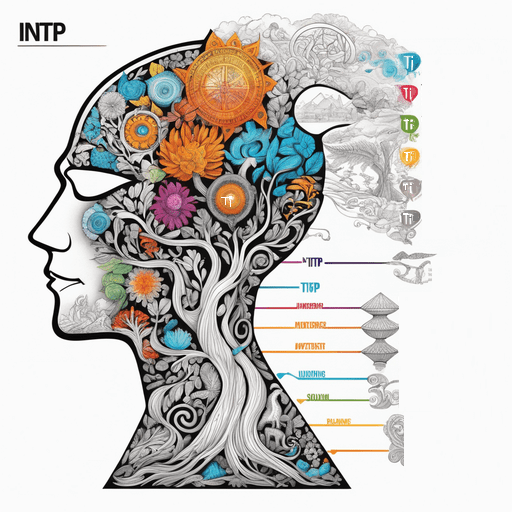
In the labyrinth of human minds, the Myers-Briggs Type Indicator (MBTI) emerges as a looking glass, offering us a glimpse into the mesmerizing realm of personalities and their dance with the world. Among the eclectic array of personality hues, the INTP archetype, representing Introverted, Intuitive, Thinking, and Perceiving traits, often earns the titles of “Architect” or “Logician.” This voyage delves deep into a pivotal pillar of the INTP psyche—Introverted Thinking (Ti).

The INTP Essence: A Brief Glimpse

Before we plunge into the depths of Introverted Thinking, let’s savor a taste of the INTP essence. INTPs bask in reverence for their insatiable thirst for knowledge, their knack for abstract musings, and their exceptional problem-cracking prowess. Fueled by a profound love for logic and groundbreaking notions, they often emerge as the maestros of strategy and theory, stretching the canvas of innovation. However, this intellectual blaze is often paired with an introverted spirit, birthing a discreet demeanor and choosy social rendezvous.

The INTP Anchor: Introverted Thinking (Ti)

Introverted Thinking (Ti) claims the throne as the dominant entity in an INTP’s cognitive arsenal, leaving an indelible mark on their perceptions, choices, and life’s symphony. This function embodies an internal, analytical choreography, fixated on crafting a well-knit structure to fathom the complexities of existence.

For INTPs, Ti is the North Star guiding them through the deluge of ideas and information. Delving into profound introspection, they meticulously scrutinize concepts through the lens of logic, coherence, and consistency. Ti acts as the craftsman’s chisel, enabling them to carve intricate mental sculptures, deftly resolving intricate problems.

The quintessence of Ti lies in its meticulous dissection. INTPs fragment ideas into their primordial elements, dissecting how each thread interweaves into the grand tapestry. This surgical approach confers them a sense of autonomy and confidence, illuminating their decision-making journey.

INTP’s Universe: The Ti Kaleidoscope

To comprehend how Ti paints the INTP universe, envision a sprawling library adorned with myriad tomes of wisdom and concepts. Each book is a concept or theory, craving meticulous analysis and understanding. Picture the INTP, armed with the discerning lens of Introverted Thinking, meticulously perusing each book, decoding its essence, evaluating its relevance, and meticulously indexing it in the grand library of their psyche.

This analytical tango profoundly shapes their choices, quandary resolutions, and grasp of reality. Every theory or notion undergoes Ti’s relentless scrutiny, ensuring its logical harmony and internal symphony. Ti sieves out the cacophony, leaving behind only the mellifluous, well-grounded notions.

Dancing Ti with Extraverted Intuition (Ne)

While Ti takes center stage in the INTP’s cognitive theater, it waltzes in harmony with its supporting act—Extraverted Intuition (Ne). Ne propels them to voyage into uncharted waters of potentialities, relationships, and connections across diverse realms.

INTPs, with a finely-tuned Ne, possess the artistry to conjure fresh, innovative ideas. They persistently nudge the boundaries of their intellectual fiefdom, reveling in brainstorming soirees and immersing themselves in discussions that broaden their horizons.

This function metamorphoses into an indispensable accomplice to Ti, offering a panoramic view by exploring myriad vantage points and potential vistas. It nudges them to pirouette between their analytical rigor and open-minded explorations, birthing a dynamic intellectual landscape.

Pitfalls and Ascension for INTPs Grasping Ti

While Ti embodies the intellectual juggernaut and analytical flair of INTPs, it also unfurls challenges that beckon growth and transformation:

  1. The Ti-Equilibrium of Logic and Emotion: INTPs, Ti-aficionados to the core, often stumble in the realm of emotive expression and the navigation of sentimental currents. Nurturing their less conspicuous facets, like Extraverted Feeling (Fe), can unfurl a delicate tango between analytical prowess and emotional resonance.
  2. The Labyrinth of Overthinking: The relentless quest for understanding and dissecting every iota of existence can spawn a labyrinth of overthought and paralysis. Cultivating their Extraverted Intuition (Ne) can usher them into the realm of exploration without succumbing to the shackles of excessive analysis.
  3. From Ether to Substance: While Ti shines in abstract ruminations, the translation of ethereal ideas into corporeal actions poses a challenge. Here, Introverted Sensing (Si) extends its hand, drawing from yesteryears’ tapestry to make theories palpable.
  4. The Enigma of Social Navigation: An intrinsic introversion, coupled with an underdeveloped Extraverted Feeling (Fe), can render social expeditions a daunting odyssey. Acknowledging the sanctity of human connection and embracing empathy can enrich their relationships and expedition of personal evolution.
  5. The Doom Loop of Ti <->Si: In the depths of an INTP Ti-Si Loop, these cerebral wanderers turn to their tertiary Introverted Sensing, digging through the vaults of yesteryears, dissecting them relentlessly with their Ti, oblivious to the now and the tomorrow. Ne, once a beacon of possibilities, is but a dim shadow, eclipsed by the relentless grip of introverted sensing, offering no succor in their cerebral plight.

In Denouement

Understanding the parturition of Introverted Thinking (Ti) in the INTP psyche unveils a panoramic canvas, illustrating how they fathom the universe, make choices, and pirouette with fellow beings. Ti, reigning sovereign beside Extraverted Intuition (Ne), bestows the laurel of intellectual trailblazers upon INTPs, who eternally unearth novel ideas, refining their comprehension of reality.

By embracing and decoding Ti and its interplay with their cognitive ensemble, we unearth profound revelations about the intricate beauty and brilliance that define the INTP archetype. Amidst the vast human tapestry, each personality hue contributes a unique brushstroke, and the INTP hue is irrefutably a blend of intellect, creativity, and boundless potential.

In essence, grasping the essence of Introverted Thinking (Ti) transcends a mere exploration of a cognitive faculty; it embodies an invitation to unravel the enigmas and embrace the intellectual marvel encapsulated in the INTP psyche.

Healthy Entitlement vs. Unhealthy Entitlement: Navigating the Paradox

Entitlement, a labyrinthine concept, weaves a tapestry of both light and shadow. A dance of duality, it unveils itself in two forms: the righteous and the pernicious. Together, we shall explore the contrasting contours of these beguiling forces, for understanding breeds wisdom.

Healthy Entitlement

In the realm of healthy entitlement, the path unfolds with self-advocacy as its guiding star. A compass for the soul, it beckons individuals to recognize their inherent worth and articulate their needs and boundaries with grace. It is the delicate art of asserting oneself while embracing the rights of others—a harmonious dance of self-empowerment.

At its core lies the essence of self-worth—an unwavering belief in one’s own value and capabilities. Those who embody healthy entitlement stand tall, their spirits aflame with confidence. They fear not the pursuit of dreams nor the risks that accompany them, for their worth emanates from within.

Boundaries and respect form the sacred ground upon which healthy entitlement thrives. It is the acknowledgment that all beings possess equal rights and needs, and in honoring the boundaries of others, one preserves the sanctity of relationships. In this symphony of mutual respect, harmony blooms.

Personal responsibility becomes the rudder that steers the vessel of healthy entitlement through uncharted waters. Those who embrace it understand that entitlement does not absolve them of accountability. Instead, it empowers them to shape their destiny, contributing meaningfully to their communities and nurturing their relationships.

Collaboration and empathy intertwine, creating a tapestry of understanding. The path of healthy entitlement traverses not only the self but extends to the hearts of others. It embraces the kaleidoscope of perspectives, for it is in the union of diverse minds that true growth flourishes. United in purpose, they seek solutions that harmonize the needs of all.

Unhealthy Entitlement

In the depths of the human psyche, unhealthy entitlement lurks, a siren’s song tempting the unwary. Narcissism and self-centeredness become its treacherous companions, weaving illusions of superiority and entitlement to unearned privileges. In this distorted reality, empathy wanes, eclipsed by a voracious hunger for personal gain.

Disregard for boundaries becomes the hallmark of unhealthy entitlement—a reckless dance that tramples upon the rights of others. It is a callous disregard for consent, a myopic obsession with one’s desires, and a cold dismissal of the needs of fellow travelers. In this solitary pursuit, connections crumble like ancient ruins.

External validation becomes the elusive elixir craved by the possessors of unhealthy entitlement. Their self-worth teeters on the precipice of external recognition, a fragile façade that crumbles with the slightest breeze. Without this fleeting validation, their souls wither, trapped in a cycle of perpetual yearning.

Blame and victimhood become the refuge of the entitlement-afflicted. Reluctant to face their own shortcomings, they cast blame upon others or external forces, absolving themselves of personal responsibility. Yet, in this evasion, they forfeit the chance for growth, forever imprisoned by their self-deception.

The dance of collaboration becomes discordant as unhealthy entitlement demands supremacy. Compromise becomes anathema, for their desires eclipse all others. The symphony of relationships disintegrates into chaos, leaving behind fractured connections and hearts burdened with resentment.

In summation, healthy entitlement emerges as the enlightened path—a journey of self-advocacy, balanced self-worth, respect for boundaries, personal responsibility, and empathy. Conversely, unhealthy entitlement devolves into the shadows—a realm of narcissism, disregard for boundaries, external validation, blame-shifting, and a lack of empathy. It is through this discernment that one can navigate the intricacies of entitlement, fostering harmonious relationships, nurturing a sense of self-worth, and sowing seeds of genuine contribution in the tapestry of existence.

Create a website or blog at WordPress.com

Up ↑