As I stepped onto the cobbled streets of Dublin, a city with a heart as warm as its people, I knew I was about to embark on a journey rich in history, culture, and undeniable Irish charm. Dublin, the capital of the Emerald Isle, greeted me with an energy that echoed through its historic landmarks and vibrant neighborhoods.
Historical Treasures and Literary Havens
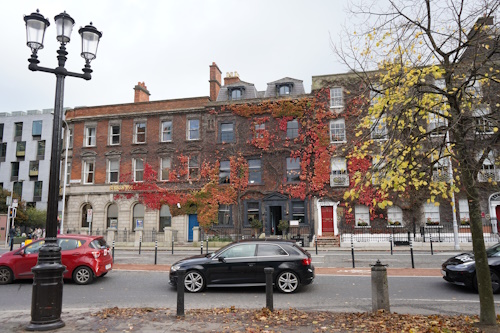
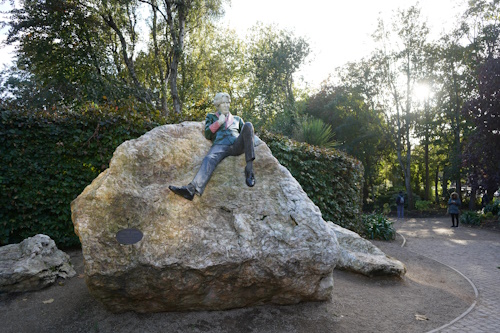
Dublin, a city steeped in history, boasts an array of historical treasures. From the imposing Dublin Castle to the hallowed halls of Trinity College, each corner tells a tale of times gone by. Dive into the literary havens that inspired greats like James Joyce and W.B. Yeats, exploring the cozy nooks of bookshops and the bustling atmosphere of historic libraries.
Irish Pubs and Culinary Delights
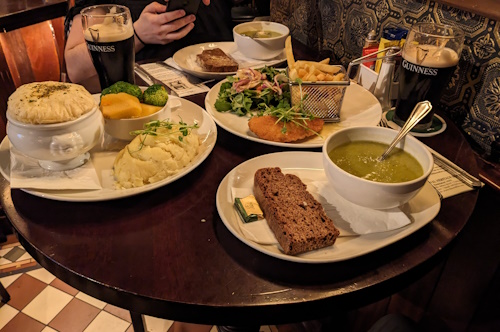
No visit to Dublin is complete without a journey into its legendary pubs. Immerse yourself in the spirited ambiance of places like The Temple Bar and O’Donoghue’s, where live music and hearty laughter fill the air. Indulge in traditional Irish cuisine, savoring classics like hearty stews and perfectly poured pints of Guinness.
River Liffey Serenity
Stroll along the banks of the River Liffey, where the city’s heartbeat meets a serene waterfront. Capture the essence of Dublin’s bridges, each with its unique story, and revel in the peaceful moments that make the river a central character in the city’s narrative.
Cultural Hubs and Artistic Corners
Dublin’s cultural scene is vibrant and eclectic. Explore the city’s artistic corners, from the contemporary exhibits of the Irish Museum of Modern Art to the intimate performances at The Abbey Theatre. Dive into the local arts scene, where creativity knows no bounds.
Local Encounters and Neighborhood Gems
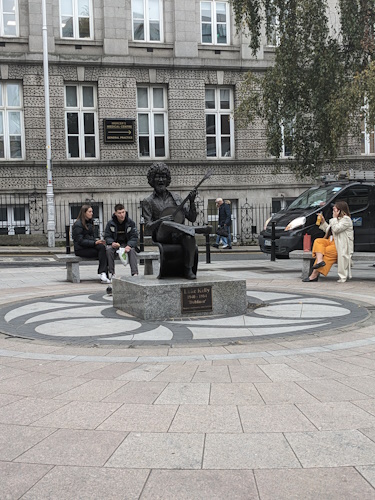
Beyond the tourist hotspots, Dublin unveils its local gems. Wander through the colorful streets of Temple Bar, where street artists and quirky shops beckon. Share a friendly chat with locals in the Liberties, savoring the genuine warmth that defines Dublin’s community spirit.
Practical Tips for Your Dublin Adventure
Transportation: Dublin’s compact size makes it ideal for walking, but the city’s efficient public transportation system also offers a convenient way to explore.
Accommodation: Choose accommodations that capture the essence of Dublin’s charm, whether it’s a cozy bed and breakfast or a boutique hotel in the heart of the city.
Dining: Venture beyond the obvious and try local eateries for an authentic culinary experience. Don’t miss the chance to savor traditional Irish breakfast delights.
Exploration: Consider booking a bus tour to get a comprehensive overview of Dublin’s major landmarks and attractions. It’s a convenient way to navigate the city while enjoying insightful commentary from knowledgeable guides.
As I reflect on my Dublin adventure, the memories are a kaleidoscope of laughter in the pubs, the melody of Irish music in the air, and the timeless beauty of a city that seamlessly blends its rich history with modern vibrancy. Dublin invites you to explore its streets, soak in its culture, and become a part of its enduring story. Embrace the charm, revel in the warmth, and let Dublin weave its magic around you. Sláinte!
In the relentless whirlpool of youth, it’s all too easy to become ensnared in the labyrinth of our own daily routines. Lost in the vortex of self-absorption, we blind ourselves to the kaleidoscope of existence beyond our immediate spheres. Yet, as we embark upon the curious path of the amateur social anthropologist, we unlock a portal to understanding the symphony of cultures and societies that weave the tapestry of our world. A tapestry, I might add, that bears the intricate brushstrokes of human interaction, tradition, and beliefs – a masterpiece of existence.
Social anthropology, an oracle of insights into the human mosaic, transcends mere academic discourse. It peels back the layers of existence, exposing the raw fibers of connection that unite us across time and space. It is a harmonious blend of disciplines – sociology, psychology, history, linguistics – painting an enchanting panorama of human interactions.
The Importance of Studying Cultures and Societies
Studying cultures and societies is essential for understanding the world around us. By studying how different groups of people live, work, and interact with one another, we can gain a deeper understanding of their needs, values, and beliefs. This understanding can help us to develop empathy and respect for others, even if they come from vastly different backgrounds.
Additionally, understanding other cultures and societies can help us to become better communicators. When we understand the values and beliefs of others, we can communicate more effectively with them, avoiding misunderstandings and conflicts.
Examples of Social Anthropology in Practice
Social anthropology is used in a range of settings, from academic research to public policy development. Here are a few examples of how social anthropology is applied in practice:
Understanding the impact of cultural practices on healthcare outcomes: Social anthropologists have studied the impact of cultural practices on healthcare outcomes. For example, researchers have looked at how cultural beliefs about pain and illness can affect treatment adherence and patient outcomes.
Developing effective public policy: Social anthropologists have also been involved in developing public policy. For example, in Canada, social anthropologists worked with indigenous communities to develop policies that respect indigenous rights and promote cultural revitalization.
Studying social movements: Social anthropologists have also studied social movements, such as feminist and anti-racist movements. By understanding the social and cultural factors that drive these movements, researchers can develop strategies to promote social change.
Why Become an Amateur Social Anthropologist?
Becoming an amateur social anthropologist has several benefits. Here are a few reasons why you should consider becoming an amateur social anthropologist:
Improved empathy and understanding: Understanding other cultures and societies can help you to develop empathy and respect for others. This understanding can help you to build stronger relationships with people from different backgrounds and improve your communication skills.
Better communication skills: When you understand the values and beliefs of others, you can communicate more effectively with them, avoiding misunderstandings and conflicts.
Opportunities for personal growth: Studying other cultures and societies can help you to broaden your perspectives and challenge your own beliefs and assumptions.
How to Become an Amateur Social Anthropologist
Becoming an amateur social anthropologist doesn’t require a degree in anthropology or extensive training. Here are a few tips for observing and studying cultures:
Observe: Take the time to observe the cultures and societies around you. Pay attention to the way people interact with one another, their traditions, and their beliefs.
Ask questions: Don’t be afraid to ask questions. People are often happy to share their experiences and beliefs with others.
Read: There are many books and articles on social anthropology that can help you to understand the theories and methods used by social anthropologists.
Travel: Traveling can be a great way to observe and learn about other cultures and societies.
Here are a few suggestions for incorporating social anthropology into your everyday life:
Learn about the history and culture of your community: Understanding the history and culture of your community can help you to develop a deeper appreciation for the people and places around you.
Attend cultural events: Attending cultural events, such as festivals and exhibitions, can help you to learn about different cultures and societies.
Volunteer with community organizations: Volunteering with community organizations can provide opportunities to work with people from different backgrounds and learn about their experiences.
Be open-minded: Keep an open mind when interacting with people from different backgrounds. Try to understand their perspectives and experiences, even if they differ from your own.
Traveling as an Amateur Social Anthropologist
Traveling can be a great way to observe and learn about different cultures and societies. Here are a few things to keep in mind when traveling as an amateur social anthropologist:
Be respectful: Respect the customs and beliefs of the people in the places you visit. Be aware of local customs, dress codes, and etiquette.
Be curious: Ask questions and be open to learning about different cultures and societies. Try new foods, attend cultural events, and talk to local people.
Be observant: Take the time to observe the way people interact with one another and their environment. Pay attention to the physical environment, architecture, and art.
Keep a journal: Keeping a journal can help you to reflect on your experiences and observations. Write down your thoughts and reflections on the places you visit and the people you meet.
Conclusion
Becoming an amateur social anthropologist can be a rewarding and enriching experience. By understanding different cultures and societies, we can develop empathy, respect, and better communication skills. Whether you’re traveling, volunteering, or simply observing the world around you, there are many opportunities to learn about the diverse cultures and societies that make up our world. So why not start today and become an amateur social anthropologist?







 Cloud Champion