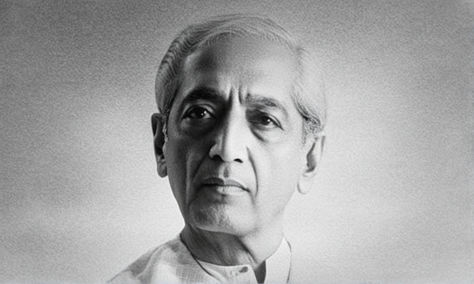

Alan Watts: Navigating the Cosmic Symphony of Existence

Within the tapestry of human wisdom, certain individuals stand as luminaries, offering profound insights into the mysteries of existence. Join us on an exploratory journey into the lives and philosophies of remarkable beings. This blog post series aims to unravel the cosmic wisdom encapsulated in the life of Alan Watts, a philosopher, writer, and speaker who illuminated the path of understanding in the 20th century.

Biography

Alan Watts, born on January 6, 1915, in Chislehurst, England, emerged as a charismatic and transformative figure in the realms of Eastern philosophy and mysticism. Watts spent much of his early life immersed in the study of Asian philosophies, particularly Zen Buddhism. His academic pursuits led him to become an ordained Episcopal priest, but he later shifted towards a secular path, dedicating his life to the exploration and communication of profound philosophical ideas.

Watts’ journey encompassed both Eastern and Western perspectives, and his works became a bridge between these seemingly disparate realms, inviting individuals to explore the interconnected nature of all things.

Key Philosophical Beliefs

At the heart of Alan Watts’ philosophy was a profound understanding of the interconnectedness of life. He explored the notion of the “oneness” of existence, transcending dualistic thinking and inviting individuals to perceive reality beyond the boundaries of conventional distinctions.

Watts delved into the concept of the “Tao” and the idea that life is a spontaneous and ever-flowing dance. He encouraged individuals to embrace the present moment fully, emphasizing the transformative power of living in harmony with the natural rhythms of the universe.

Notable Achievements

Alan Watts’ impact extended beyond the academic realm. Through his books, lectures, and radio broadcasts, he became a voice that resonated with a diverse audience. Works such as “The Way of Zen” and “The Wisdom of Insecurity” explored complex philosophical ideas with a clarity and accessibility that attracted both scholars and seekers alike.

Watts’ ability to articulate profound truths in a relatable manner made him a sought-after speaker, and his influence reached far beyond traditional philosophical circles. He contributed significantly to the popularization of Eastern philosophy in the West, fostering a deeper appreciation for the interconnectedness of all things.

Lessons in Wisdom

From Alan Watts’ life and teachings, transformative lessons emerge. He invites us to shed the illusions of separateness and embrace the profound interconnectedness of existence. Watts encourages us to live authentically, liberated from the constraints of societal expectations and the fear of the unknown.

Practically, Watts’ philosophy encourages a shift in perspective—an awakening to the present moment. By recognizing the transient nature of life and embracing the inherent unity of all things, individuals can find profound peace and meaning in the midst of life’s ever-changing tapestry.

Conclusion

Alan Watts’ life serves as an invitation to explore the cosmic symphony of existence. His teachings encourage us to see beyond the veils of illusion, embracing the interconnected dance of life. As we reflect on his wisdom, may we strive to embody the spirit of unity and authenticity, fostering a world where individuals dance in harmony with the rhythms of the universe.

Additional Resources

To delve deeper into Alan Watts’ philosophy, explore his influential books such as “The Book: On the Taboo Against Knowing Who You Are” and “The Joyous Cosmology.” The Alan Watts Organization (https://alanwatts.org/) provides a rich repository of resources for those seeking a deeper understanding of his profound teachings.

Author’s Note

As I delve into the life and teachings of Alan Watts, I am captivated by the eloquence and depth with which he communicated profound philosophical ideas. Watts’ invitation to explore the interconnected nature of existence resonates deeply, urging us to dance in harmony with the cosmic symphony of life. May we all find inspiration in Alan Watts’ teachings and strive to embody the wisdom of a life lived authentically and in unity with the profound rhythms of the universe.
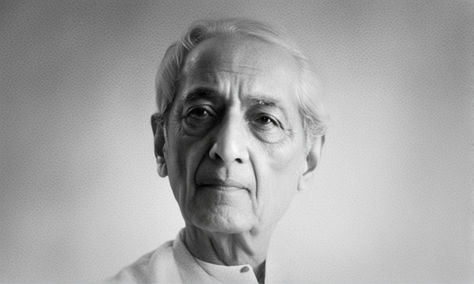
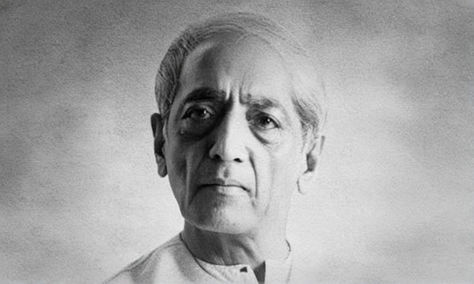
Jiddu Krishnamurti: A Philosophical Odyssey towards Self-Understanding

In the vast expanse of human wisdom, the lives of exceptional individuals offer profound insights into the complexities of existence. Join us on a transformative journey as we delve into the lives and philosophies of extraordinary beings. This blog post series aims to unravel the profound wisdom encapsulated in the life of Jiddu Krishnamurti, a philosopher, speaker, and spiritual teacher.

Biography

Jiddu Krishnamurti, born on May 12, 1895, in Madanapalle, India, emerged as one of the 20th century’s most influential spiritual figures. His early life took an unexpected turn when he was identified by the Theosophical Society as a potential World Teacher. Raised in an environment shaped by theosophical ideals, Krishnamurti underwent rigorous training but eventually dissolved the Order of the Star, the organization built around him, realizing that true wisdom could not be institutionalized.

Krishnamurti’s quest for truth led him to reject the notion of a spiritual authority, advocating instead for individual inquiry and self-discovery. His teachings emphasized the importance of personal responsibility and the liberation of the mind from conditioning.

Key Philosophical Beliefs

At the core of Krishnamurti’s philosophy was the idea of total awareness and the transformation of consciousness. He invited individuals to explore the nature of the mind, observe their conditioning, and break free from the patterns that limit true understanding. Krishnamurti’s teachings transcended traditional religious boundaries, urging individuals to embark on a journey of self-inquiry and self-realization.

He delved into the nature of thought, the limitations of knowledge, and the profound importance of living in the present moment. Krishnamurti rejected dogma, emphasizing direct experience and insight as the keys to genuine understanding.

Notable Achievements

While Krishnamurti eschewed personal recognition, his impact on the spiritual landscape was profound. He authored numerous books, including “The First and Last Freedom” and “Freedom from the Known,” which continue to inspire seekers worldwide. He traveled extensively, delivering talks and engaging in dialogues that challenged conventional thinking and invited listeners to question their assumptions.

Krishnamurti’s legacy lives on through foundations and centers dedicated to preserving and disseminating his teachings. The Krishnamurti Foundation, established in his honor, continues to share his philosophy, fostering an environment of inquiry and exploration.

Lessons in Wisdom

From Krishnamurti’s life and teachings, profound lessons emerge. He encourages us to question the nature of our thoughts, observe our conditioning without judgment, and liberate ourselves from the shackles of mental patterns. Krishnamurti’s emphasis on holistic awareness and the transformative power of direct perception serves as a guide for those seeking genuine self-understanding.

In practical terms, Krishnamurti’s teachings invite us to cultivate mindfulness, question assumptions, and approach life with a sense of openness and curiosity. Through self-inquiry, we can unravel the layers of conditioning and tap into the wellspring of inner wisdom.

Conclusion

Jiddu Krishnamurti’s life serves as an invitation to embark on a philosophical odyssey towards self-understanding. His teachings encourage us to embrace personal responsibility, question the very fabric of thought, and cultivate a mind free from the constraints of conditioning. As we reflect on his wisdom, may we strive to embody the spirit of inquiry and self-realization, fostering a world where individuals are liberated from the limitations of the mind.

Additional Resources

To delve deeper into Krishnamurti’s teachings, explore his books such as “The Awakening of Intelligence” and “Truth and Actuality.” The Krishnamurti Foundation (https://www.jkrishnamurti.org/) provides a wealth of resources and information for those seeking a deeper understanding of his philosophy.

Author’s Note

As I explore the life and teachings of Jiddu Krishnamurti, I am captivated by the profound simplicity and transformative depth of his philosophy. Krishnamurti’s call for self-inquiry resonates deeply, inviting us to embark on a journey towards genuine self-understanding.

Create a website or blog at WordPress.com

Up ↑