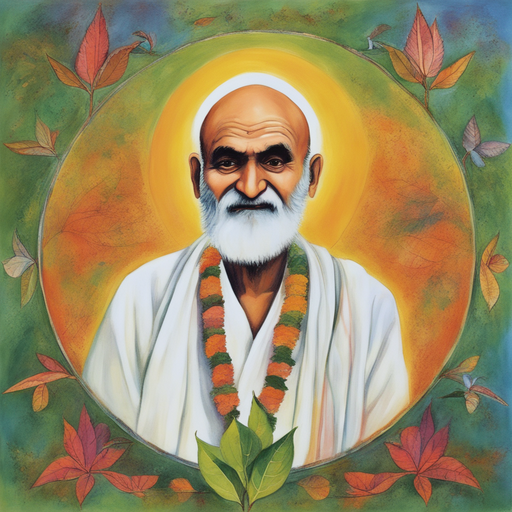

Alan Watts: Navigating the Cosmic Symphony of Existence

Within the tapestry of human wisdom, certain individuals stand as luminaries, offering profound insights into the mysteries of existence. Join us on an exploratory journey into the lives and philosophies of remarkable beings. This blog post series aims to unravel the cosmic wisdom encapsulated in the life of Alan Watts, a philosopher, writer, and speaker who illuminated the path of understanding in the 20th century.

Biography

Alan Watts, born on January 6, 1915, in Chislehurst, England, emerged as a charismatic and transformative figure in the realms of Eastern philosophy and mysticism. Watts spent much of his early life immersed in the study of Asian philosophies, particularly Zen Buddhism. His academic pursuits led him to become an ordained Episcopal priest, but he later shifted towards a secular path, dedicating his life to the exploration and communication of profound philosophical ideas.

Watts’ journey encompassed both Eastern and Western perspectives, and his works became a bridge between these seemingly disparate realms, inviting individuals to explore the interconnected nature of all things.

Key Philosophical Beliefs

At the heart of Alan Watts’ philosophy was a profound understanding of the interconnectedness of life. He explored the notion of the “oneness” of existence, transcending dualistic thinking and inviting individuals to perceive reality beyond the boundaries of conventional distinctions.

Watts delved into the concept of the “Tao” and the idea that life is a spontaneous and ever-flowing dance. He encouraged individuals to embrace the present moment fully, emphasizing the transformative power of living in harmony with the natural rhythms of the universe.

Notable Achievements

Alan Watts’ impact extended beyond the academic realm. Through his books, lectures, and radio broadcasts, he became a voice that resonated with a diverse audience. Works such as “The Way of Zen” and “The Wisdom of Insecurity” explored complex philosophical ideas with a clarity and accessibility that attracted both scholars and seekers alike.

Watts’ ability to articulate profound truths in a relatable manner made him a sought-after speaker, and his influence reached far beyond traditional philosophical circles. He contributed significantly to the popularization of Eastern philosophy in the West, fostering a deeper appreciation for the interconnectedness of all things.

Lessons in Wisdom

From Alan Watts’ life and teachings, transformative lessons emerge. He invites us to shed the illusions of separateness and embrace the profound interconnectedness of existence. Watts encourages us to live authentically, liberated from the constraints of societal expectations and the fear of the unknown.

Practically, Watts’ philosophy encourages a shift in perspective—an awakening to the present moment. By recognizing the transient nature of life and embracing the inherent unity of all things, individuals can find profound peace and meaning in the midst of life’s ever-changing tapestry.

Conclusion

Alan Watts’ life serves as an invitation to explore the cosmic symphony of existence. His teachings encourage us to see beyond the veils of illusion, embracing the interconnected dance of life. As we reflect on his wisdom, may we strive to embody the spirit of unity and authenticity, fostering a world where individuals dance in harmony with the rhythms of the universe.

Additional Resources

To delve deeper into Alan Watts’ philosophy, explore his influential books such as “The Book: On the Taboo Against Knowing Who You Are” and “The Joyous Cosmology.” The Alan Watts Organization (https://alanwatts.org/) provides a rich repository of resources for those seeking a deeper understanding of his profound teachings.

Author’s Note

As I delve into the life and teachings of Alan Watts, I am captivated by the eloquence and depth with which he communicated profound philosophical ideas. Watts’ invitation to explore the interconnected nature of existence resonates deeply, urging us to dance in harmony with the cosmic symphony of life. May we all find inspiration in Alan Watts’ teachings and strive to embody the wisdom of a life lived authentically and in unity with the profound rhythms of the universe.


Developing a Secure Attachment With Yourself: The Key to Inner Peace and Personal Growth

In the journey of self-discovery and personal growth, one of the most fundamental relationships you can cultivate is the one with yourself. Often, we hear about the importance of building secure attachments with others, such as family, friends, and partners. However, developing a secure attachment with yourself is equally crucial for achieving inner peace, emotional stability, and a fulfilling life.

Attachment theory is often discussed in the context of relationships with others, but the foundation of a healthy life begins with developing a secure attachment to yourself. Building a strong, compassionate relationship with yourself fosters self-confidence, emotional balance, and resilience in the face of life’s challenges.

This concept revolves around self-awareness, self-compassion, and self-acceptance. In this article, we’ll explore what it means to have a secure attachment with yourself, why it’s essential, and practical steps to cultivate this relationship.

What is a Secure Attachment With Yourself?

A secure attachment with yourself means having a stable and loving relationship with who you are. It involves recognizing your intrinsic worth, understanding your emotions, and accepting your strengths and weaknesses without harsh self-judgment. Just as secure attachments with others provide a safe and nurturing environment, a secure attachment with yourself offers a foundation of self-support and self-care.

This type of attachment is characterized by:

  1. Self-Awareness: A deep understanding of your thoughts, feelings, behaviors, and motivations.
  2. Self-Compassion: The ability to treat yourself with kindness and understanding, especially in times of struggle or failure.
  3. Self-Acceptance: Embracing all aspects of yourself, including imperfections, without undue criticism or denial.

Signs of Insecure Attachment with Yourself

Many of us develop insecure attachments with ourselves due to negative past experiences, societal pressures, or self-criticism. Signs of insecure attachment may include:

  • Self-Doubt: Constantly second-guessing your decisions and abilities.
  • Perfectionism: Feeling like nothing you do is ever good enough.
  • Fear of Failure: Avoiding risks because of fear of making mistakes.
  • Negative Self-Talk: Being overly critical or harsh with yourself.

Why is Developing a Secure Attachment With Yourself Important?

  1. Emotional Stability:
    • Reduced Anxiety and Stress: A secure attachment with yourself helps you manage emotions more effectively, reducing feelings of anxiety and stress. You become better equipped to handle life’s ups and downs with resilience and grace.
    • Improved Self-Regulation: Understanding your emotional triggers and responses allows you to regulate your emotions more effectively, preventing impulsive reactions and promoting thoughtful decision-making.
  2. Healthy Relationships:
    • Stronger Connections: When you have a secure relationship with yourself, you’re more likely to form healthy and fulfilling relationships with others. You approach relationships from a place of confidence and self-assuredness, rather than neediness or insecurity.
    • Clear Boundaries: Knowing your worth and respecting yourself enables you to set and maintain healthy boundaries, ensuring that your relationships are balanced and respectful.
  3. Personal Growth and Fulfillment:
    • Authentic Living: A secure attachment with yourself encourages authenticity, allowing you to live in alignment with your true values and desires. You feel free to pursue your passions and express yourself fully.
    • Resilience and Adaptability: With a strong sense of self, you’re better able to navigate life’s challenges and changes. You can adapt to new situations and bounce back from setbacks with greater ease.

Practical Steps to Develop a Secure Attachment With Yourself

  1. Cultivate Self-Awareness:
    • Mindfulness Practices: Engage in mindfulness meditation, journaling, or other reflective practices to become more aware of your thoughts and emotions. Pay attention to your internal dialogue and how you react to different situations.
    • Regular Self-Reflection: Set aside time to reflect on your experiences, behaviors, and feelings. Ask yourself questions like, “What did I learn from this situation?” or “How did I feel, and why?”
  2. Practice Self-Compassion:
    • Be Kind to Yourself: Treat yourself with the same kindness and compassion you would offer a friend. Acknowledge your struggles and offer yourself words of encouragement and understanding.
    • Forgive Yourself: Let go of perfectionism and forgive yourself for past mistakes. Remember that making mistakes is a natural part of being human and an opportunity for growth.
  3. Embrace Self-Acceptance:
    • Accept Your Whole Self: Recognize and accept all parts of yourself, including your flaws and imperfections. Understand that you are a complex and unique individual with both strengths and areas for growth.
    • Challenge Negative Self-Talk: Identify and challenge negative or critical thoughts about yourself. Replace them with positive affirmations and self-affirming statements.
  4. Set Healthy Boundaries:
    • Know Your Limits: Understand your personal limits and needs. Communicate them clearly to others and assertively enforce your boundaries.
    • Prioritize Self-Care: Make self-care a non-negotiable part of your routine. Engage in activities that nurture your physical, emotional, and mental well-being.
  5. Pursue Personal Growth:
    • Set Personal Goals: Identify your personal and professional goals and take steps toward achieving them. Celebrate your progress and acknowledge your accomplishments along the way.
    • Seek Support: Don’t hesitate to seek support from trusted friends, mentors, or professionals. Surround yourself with people who encourage your growth and well-being.

Replacing Negative Self-Talk with Positive Affirmations

A key part of developing a secure attachment with yourself is changing how you speak to yourself. Negative self-talk reinforces insecurity, while positive affirmations build trust and self-compassion. Try replacing thoughts like:

  • “I’m not good enough” with “I’m doing my best, and that’s enough.”
  • “I’ll never succeed” with “I have the skills and perseverance to overcome challenges.”

Consistently practicing positive affirmations rewires your brain to approach life with a healthier, more confident mindset.

The Long-Term Benefits of Secure Attachment

Developing a secure attachment with yourself leads to lasting benefits, including:

  • Increased Self-Esteem: You’ll feel more confident in your abilities and worth, reducing the need for external validation.
  • Better Emotional Resilience: A secure relationship with yourself allows you to navigate stress and adversity more effectively.
  • Healthier Relationships: When you feel secure within yourself, you’re more likely to form healthy, supportive relationships with others.

Conclusion

Developing a secure attachment with yourself is a transformative process that lays the foundation for a more peaceful, fulfilling, and authentic life. By cultivating self-awareness, practicing self-compassion, embracing self-acceptance, setting healthy boundaries, and pursuing personal growth, you can strengthen your relationship with yourself and, in turn, enhance all areas of your life.

Remember, building a secure attachment with yourself is a lifelong journey. It’s about consistently showing up for yourself, honoring your needs, and nurturing your inner world. As you deepen this relationship, you’ll find greater resilience, joy, and fulfillment in your everyday experiences. Start today, and take the first step toward developing a secure attachment with the most important person in your life—you.

Neem Karoli Baba: A Life of Devotion and Wisdom

Neem Karoli Baba, also known as Maharaj-ji, is one of the most revered spiritual figures in modern Indian history. A devotee of Hanuman, Neem Karoli Baba’s life and teachings have inspired countless people around the world, including Western seekers like Ram Dass and Krishna Das. His message of unconditional love, devotion, and service continues to resonate today, transcending cultural and religious boundaries.

Early Life and Spiritual Journey

Born in 1900 in the village of Akbarpur, India, Neem Karoli Baba was drawn to spiritual practice from a young age. His real name was Lakshman Narayan Sharma, but he later became known as Neem Karoli Baba after a pivotal experience in the town of Neem Karoli.

His early life is shrouded in mystery, but it is known that he left his home at a young age to pursue a path of devotion. Neem Karoli Baba became a wandering sadhu, dedicating himself to spiritual practices and seeking enlightenment.

The Power of Love and Service

One of Neem Karoli Baba’s central teachings was the transformative power of love and selfless service. He often emphasized that true devotion to God can be expressed through loving and serving others:

  • Unconditional Love: Neem Karoli Baba believed in the power of love without attachment or expectation. He taught his devotees to love all beings as an expression of divine love.
  • Seva (Selfless Service): Maharaj-ji encouraged seva, the act of serving others without thought of reward. He believed that serving humanity was a way to connect with the divine.

Many of his followers recall how simply being in Maharaj-ji’s presence brought a deep sense of peace, love, and acceptance.

Miracles and Divine Grace

Neem Karoli Baba is often associated with miracles, and many of his devotees believe that he possessed siddhis, or spiritual powers. Stories of miraculous healings, visions, and instances of divine intervention are common in the lore surrounding Maharaj-ji. However, Neem Karoli Baba himself downplayed the significance of these miracles, instead pointing to the importance of faith and surrender:

  • Miraculous Healings: There are numerous accounts of Neem Karoli Baba healing the sick and afflicted, often with just a touch or a glance.
  • Divine Knowledge: Followers reported that Maharaj-ji had an uncanny ability to know intimate details of their lives without them telling him, which deepened their faith in his spiritual insight.

Despite these miraculous occurrences, Neem Karoli Baba consistently reminded his followers that the ultimate goal was devotion to God, not the pursuit of powers.

Influence on Western Spiritual Seekers

In the 1960s and 1970s, Neem Karoli Baba became well known in the West due to the visits of prominent spiritual seekers like Ram Dass (formerly Richard Alpert) and Krishna Das. Ram Dass’s book, Be Here Now, introduced Maharaj-ji’s teachings to a global audience:

  • Ram Dass’s Transformation: After meeting Neem Karoli Baba, Ram Dass underwent a profound spiritual awakening that shifted his focus from academic psychology to the exploration of consciousness and devotion.
  • The Legacy of Be Here Now: Through Ram Dass’s writings and teachings, millions of people around the world were introduced to Neem Karoli Baba’s message of love, devotion, and spiritual awakening.

Maharaj-ji’s Teachings: Simplicity and Devotion

Neem Karoli Baba’s teachings were simple, yet profound:

  • Love Everyone, Serve Everyone: Maharaj-ji often told his followers to love all beings unconditionally and to serve others as a form of devotion.
  • Remember God: He encouraged his devotees to constantly keep God in their thoughts through repetition of divine names (japa) and by living with faith and surrender.
  • Trust in Divine Will: Maharaj-ji taught that everything unfolds according to divine will and that one should trust in God’s plan without fear or doubt.

These teachings continue to inspire people seeking a deeper connection to spirituality and a life rooted in love and service.

The Neem Karoli Baba Ashram and Legacy

After Neem Karoli Baba left his body in 1973, his legacy continued through the Neem Karoli Baba Ashram in Kainchi, India, and other centers around the world. Devotees still gather to honor his teachings, practice devotion, and serve others in his name:

  • Kainchi Dham: The ashram at Kainchi remains a pilgrimage site for thousands of devotees each year, drawn by the peaceful energy and stories of Maharaj-ji’s life.
  • Global Influence: Neem Karoli Baba’s influence extends far beyond India, with followers around the world who carry forward his teachings of love, compassion, and service.

Conclusion: Neem Karoli Baba’s Lasting Impact

Neem Karoli Baba’s life was a testament to the power of unconditional love, humility, and selfless service. His teachings, though simple, have had a profound impact on both Eastern and Western spiritual seekers. Maharaj-ji’s message of love and devotion continues to inspire people from all walks of life to live with greater compassion, faith, and awareness of the divine in everyday life.

Tech-Free Self-Care: Reconnecting in the Digital Deluge

In this modern epoch, where screens flicker incessantly and digital tendrils weave through the fabric of our lives, the pursuit of moments that mend our weary souls becomes a sacred endeavor. As the digital tide engulfs us, ensnaring us in its relentless embrace, the urgency to forge oases of tranquility and rejuvenation grows more imperative. This exploration casts its gaze upon the realm of “Tech-Free Self-Care Practices,” a sanctuary of respite amidst the tumultuous digital storm. Here, the pulse of technology and the rhythms of well-being intertwine, each offering solace and revelations of the human spirit’s inherent need for balance and mindfulness.

The Deluge of Digital and Its Subtle Wound

Amid the orchestra of smartphones and glowing screens, the orchestra of life persists, its harmony disrupted by the symphony of digital notifications and the siren call of social media. The boundless convenience of technology bestows its gifts, yet these gifts arrive hand in hand with trials for our mental and emotional well-being. The perpetual cascade of notifications, the allure of curated virtual realities, and the ceaseless demand for constant connectivity inflict a toll upon our souls.

In this labyrinth of ones and zeros, emerges the savior: tech-free self-care practices. A sanctuary of intentional detachment from screens, an interlude to recalibrate and rekindle our essence in the embrace of the analog world.

The Quintessence of Tech-Free Self-Care

Tech-free self-care practices, an array as diverse as the colors of existence, beckon us to disentangle from the digital matrix and engage once again with the sensory tapestry of life. Within these practices, rejuvenation is sought, perspectives are found, and the labyrinth’s bewilderment begins to dissipate.

Nature’s Embrace: Venture into nature’s embrace, where urban cacophony fades. A leisurely stroll through a park, woods, or the seashore draws us closer to the symphony of life’s authentic rhythm.

Breath of Serenity: Find refuge in a quiet alcove, inhaling deeply, exhaling slowly. The cadence of mindful breathing becomes a tranquil haven, unraveling the threads of anxiety.

Unburdening on Paper: The ink flows as emotions spill onto paper, a process both cathartic and enlightening. Through journaling, a mirror is held to our thoughts, offering clarity and emotional emancipation.

Meditative Euphony: Engage in the sacred act of meditation, the art of silencing the mind’s clamor. Be it through a mantra’s whisper or the hushed symphony of your breath, meditation bestows serenity and mindfulness.

Literary Odyssey: Immerse yourself in a book’s embrace, the tactile feel of paper between your fingers. As pages turn, a universe unfolds, the mind liberated from digital confines.

Culinary Alchemy: Let the kitchen become your sanctuary as you prepare a meal with intention. Cooking is akin to a spell, both therapeutic and enchanting, fostering a connection with sustenance and self.

Embodied Grace: Engage in the poetry of your body through gentle yoga or stretching. Each movement, a dialogue with the corporeal vessel that carries the essence of your being.

Aroma’s Reverie: Illuminate scented candles or let essential oils dance in the air. Aromatherapy becomes the balm to soothe frayed nerves and elevate the spirit.

Soulful Bonds: Step into the realm of face-to-face connections. Engage in conversation with friends or family, where laughter echoes and shared experiences forge bonds that transcend screens.

Picnic with Earth: Escape the concrete clutches and indulge in an outdoor picnic. Amidst the symphony of nature, partake in a meal that nourishes not just the body, but the soul.

The Alchemical Impact of Self-Care

In this age where bytes and pixels dictate the rhythm of existence, self-care stands as the elixir to mend the fractures that technology’s embrace may cause. The realm of tech-free self-care practices is a bastion against the cacophony, offering metamorphic gifts for the psyche, the emotions, and the very sinews of the body.

The Refuge of Tranquility: Within these practices, a sanctuary blooms. A realm where the ceaseless digital torrent gives way to the placid waters of inner tranquility.

The Elixir of Mindfulness: Amidst screens, self-care invites us to be present. Whether it’s the embrace of a deep breath, the touch of pen to paper, or the rustle of leaves beneath our feet, mindfulness reigns supreme.

The Rebirth of Creativity: Detached from the digital current, our minds wander and weave dreams anew. In these moments of respite, creativity’s dormant embers are stoked, igniting the fires of innovation.

The Lullaby of Sleep: Tech-free self-care is a guardian of restful slumber. Amid its embrace, reading a book or invoking a tranquil state with deep breathing become rituals that guide us into the realms of dreams.

The Balancing Alchemy: A harmonizing elixir, these practices address the facets of our being—physical, emotional, and psychological. By intertwining with the analog world, tech-free self-care cultivates holistic well-being.

The Integration of Tech-Free Self-Care

Incorporating tech-free self-care into our lives necessitates not grand gestures, but an alchemical weaving of intention into our daily routines.

Dawn Awakening: Greet the day with serenity. Dedicate the first moments to deep breathing or meditation, setting a harmonious tone for the symphony of hours ahead.

Lunch as Interlude: Seize the lunch break as a portal to rejuvenation. Walk in the sun’s embrace, turn the pages of a book, or savor nourishment with mindfulness.

Dusk’s Embrace: As the day wanes, let screens fade into oblivion. An hour before sleep, journal your thoughts or indulge in gentle stretches, signaling the body and mind to surrender to rest.

Weekend Odyssey: As the weekend dawns, embrace the opportunity for extended self-care. Engage in outdoor ventures, tending to the soil of a garden or embarking on a culinary exploration.

Intentional Transitions: As screens ebb and flow, interlace tech-free interludes between digital engagements. This rhythm soothes the senses, nourishes the spirit, and enriches focus.

Conclusion

In this digital sphere where the rhythms of technology and the symphony of human essence intertwine, the call for tech-free self-care echoes like an ancient song—a harmonious counterpoint to the digital cacophony. Let the world of screens and bytes not shroud us entirely; instead, let us unfurl the tapestry of self-care, a resplendent spectrum of intentional practices that rejuvenate, restore, and enrich our lives. Amidst the ceaseless current of digital existence, let us unplug, reclaim our essence, and journey into the embrace of self-care—a sacred dance that nurtures our digital souls and soothes our analog hearts.

Create a website or blog at WordPress.com

Up ↑