When I was younger, I wanted to go places. Faraway places. I think I was in awe of adventurers from movies. They went to strange places, had adventures, and lived to tell the tale.
But why would I need to go anywhere? What business do I have going anywhere to be a person?
What if you just wanted to go experience and see a thing? That’s it. The journey becomes the destination. I don’t need to go there because I have important business or am needed. I’m going because I want to. And I can. And I will.
The Philosophy of Going Just Because
Life often pressures us into believing that everything we do must have a clear purpose or result. But what if the act of going itself—just because—is enough? Travel doesn’t always need to have a reason tied to work, social obligations, or a specific goal. It can be about spontaneity, exploration, and the pure joy of experiencing the world.
Going Places Lifestyle Philosophy
Embrace Minimalism: Focus on experiences over material possessions. This mindset allows you to travel light, reduce stress, and make room for what truly matters. Minimalism frees you from unnecessary burdens, both physically and mentally, so you can focus on the joy of discovery.
Balance Structure and Freedom: While having a routine is important, allow yourself the flexibility to change things up and follow your intuition. Some of the most memorable experiences come from unplanned moments where you let curiosity guide you.
Stay True to Your Values: Continue prioritizing freedom, exploration, and personal growth. Avoid falling into societal pressures or expectations that don’t align with your goals. Travel for the sake of personal fulfillment rather than seeking validation from others.
The Joy of Being Spontaneous
One of the most liberating aspects of traveling “just because” is the freedom it offers. When you free yourself from the need for a specific reason, you allow room for the unexpected. Whether it’s discovering a hidden gem off the beaten path or striking up a conversation with a stranger, spontaneity becomes an essential part of the adventure.
Travel as a Form of Self-Expression
Traveling without a set plan or predefined purpose can become a form of self-expression. It’s about saying yes to opportunities as they arise and shaping your journey based on what feels right in the moment. In doing so, you cultivate a deeper connection to yourself and your surroundings.
Reflections on Personal Growth Through Travel
By embracing a mindset of “going just because,” I’ve learned to appreciate the beauty of life’s unpredictability. Travel has taught me to be open to new experiences, to trust my instincts, and to find joy in the small moments along the way. Each journey, no matter how spontaneous, has contributed to my personal growth and understanding of the world.
Conclusion: Embrace the Journey
Going places just because allows you to break free from rigid expectations and experience life with more spontaneity and joy. It’s not about the destination or a specific reason for traveling—it’s about the journey itself. By embracing minimalism, staying true to your values, and allowing spontaneity to guide you, you can create a fulfilling and adventurous lifestyle where every trip becomes a meaningful exploration.
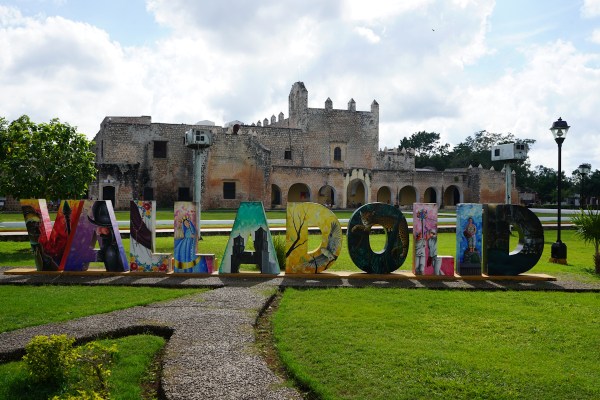
Nestled in the heart of the Yucatán Peninsula, Valladolid is a charming colonial town that offers a rich tapestry of history, culture, and natural beauty. Known for its colorful architecture, vibrant local markets, and proximity to ancient Mayan ruins, Valladolid is a hidden gem that promises an immersive and unforgettable experience.
Colonial Architecture: A Walk Through History
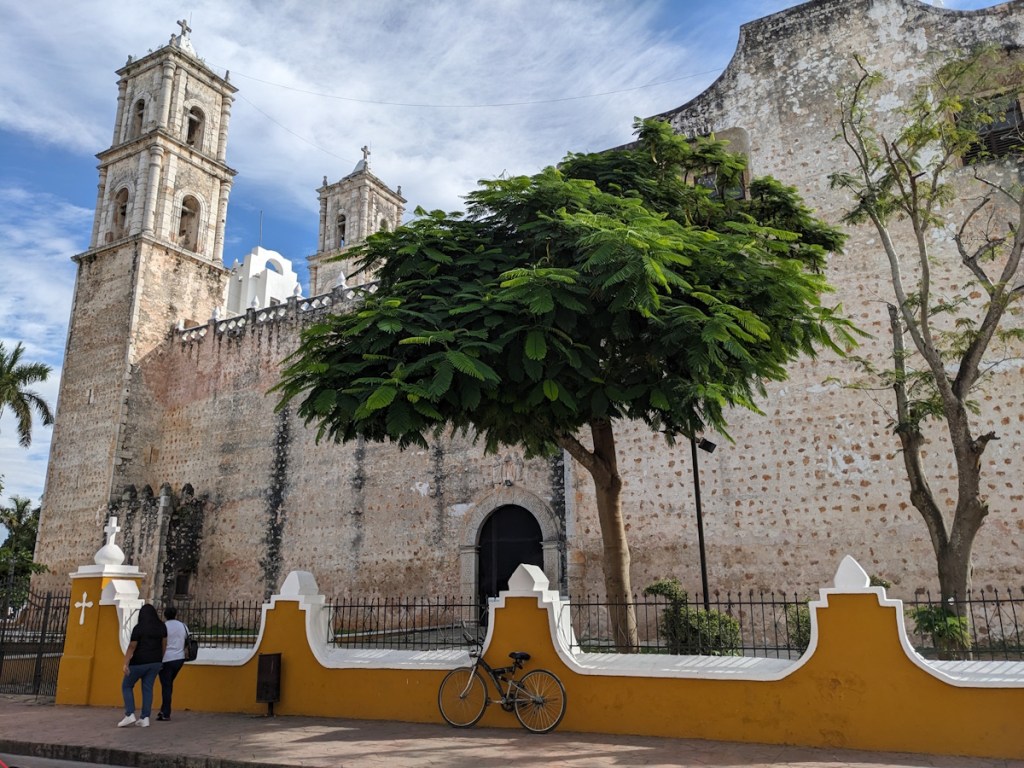
Valladolid’s colonial architecture is a stunning reminder of its rich past. Stroll through the cobblestone streets and marvel at the brightly colored buildings, charming plazas, and historic churches.
San Servacio Church: Located in the main square, this iconic 16th-century church showcases impressive colonial architecture.
Convento de San Bernardino de Siena: Built in the 1550s, this Franciscan convent offers a glimpse into Valladolid’s colonial heritage with its beautiful stone facade and serene gardens.
Cenotes: Nature’s Hidden Wonders
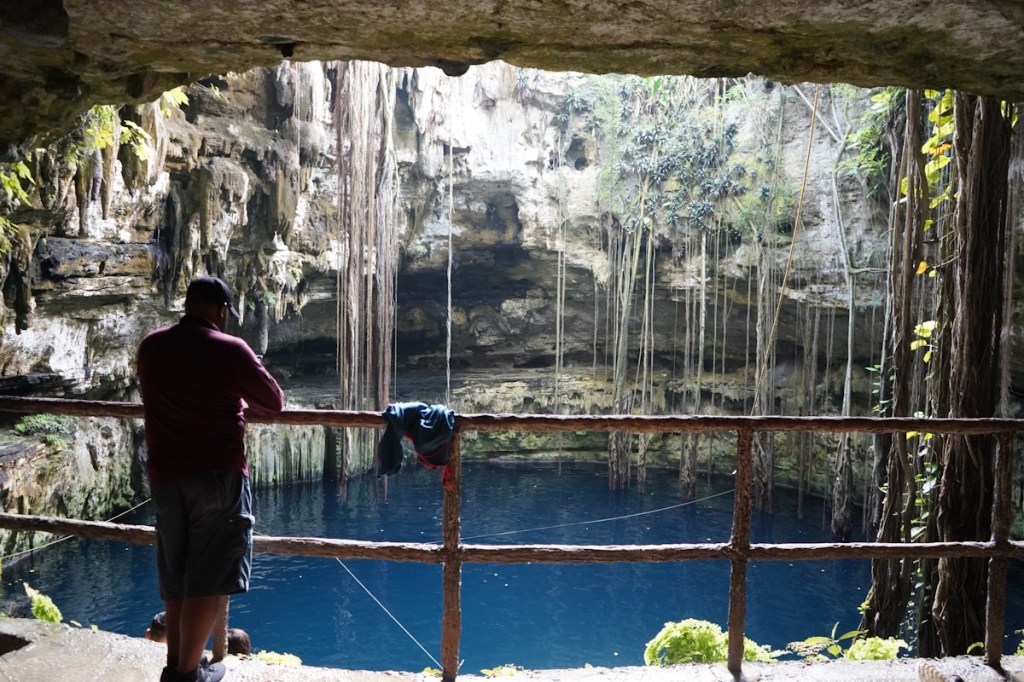
The Yucatán Peninsula is famous for its cenotes—natural sinkholes filled with crystal-clear water. Valladolid is surrounded by some of the most beautiful ones:
Cenote Zací: Located right in the town, this open-air cenote is perfect for a refreshing swim amidst limestone cliffs and tropical greenery.
Cenote Xkeken and Samula: A short drive from Valladolid, these underground cenotes are known for their dramatic beauty. Sunlight filtering through small openings creates a magical atmosphere.
Cenote Suytun: Famous for its platform that extends into the water, this cenote is a photographer’s dream, offering a surreal and mystical experience.
Local Markets: A Taste of Valladolid
Experience the vibrant local culture by visiting Valladolid’s bustling markets.
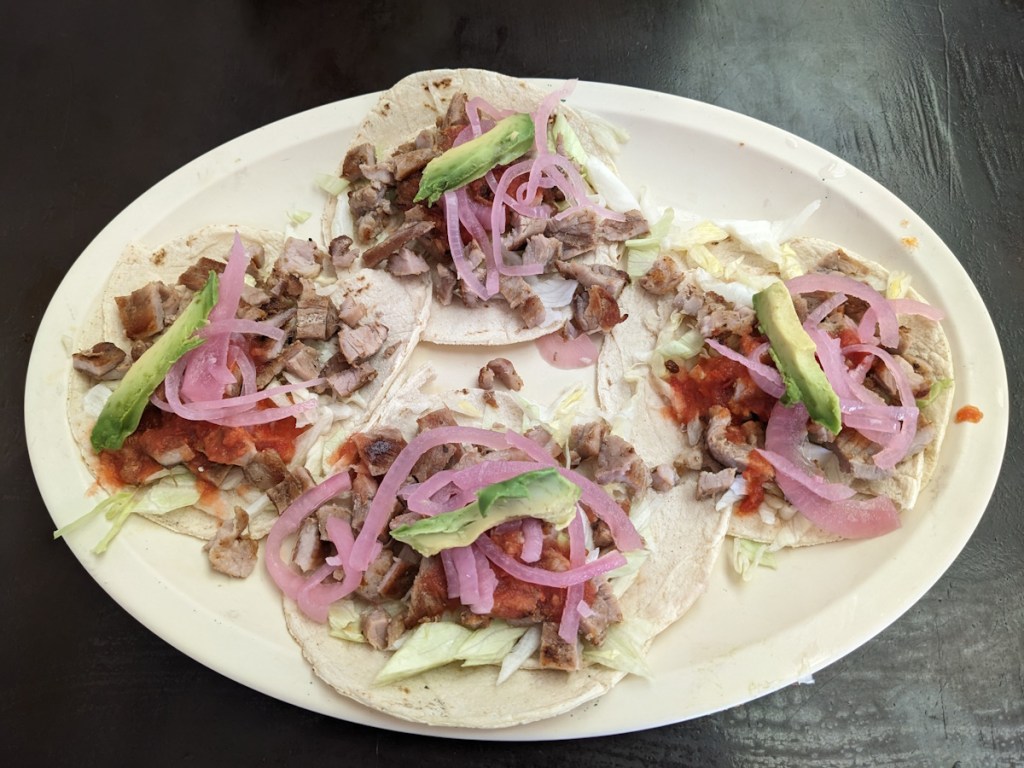
Mercado Municipal: This local market offers a wide array of fresh produce, handmade crafts, and traditional Yucatecan cuisine. Sample delicacies like cochinita pibil (slow-roasted pork) and lomitos de Valladolid (pork in tomato sauce).
The lively atmosphere makes these markets a must-visit for food lovers and those looking to engage with local vendors.
Mayan Ruins: A Journey to the Past
Valladolid is ideally situated for exploring some of Mexico’s most famous Mayan ruins:
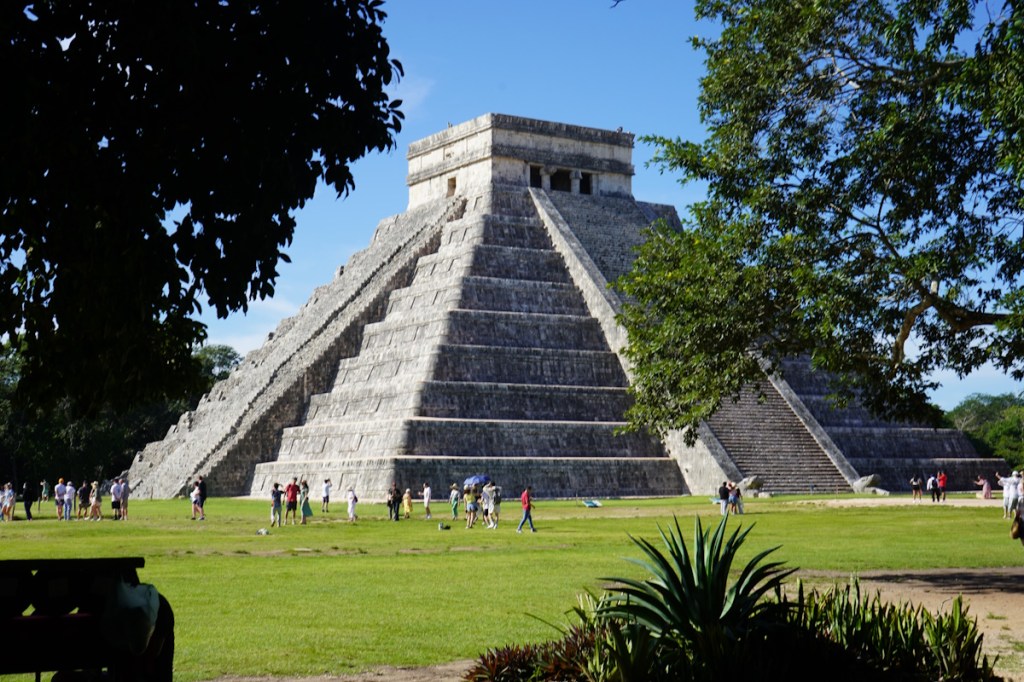
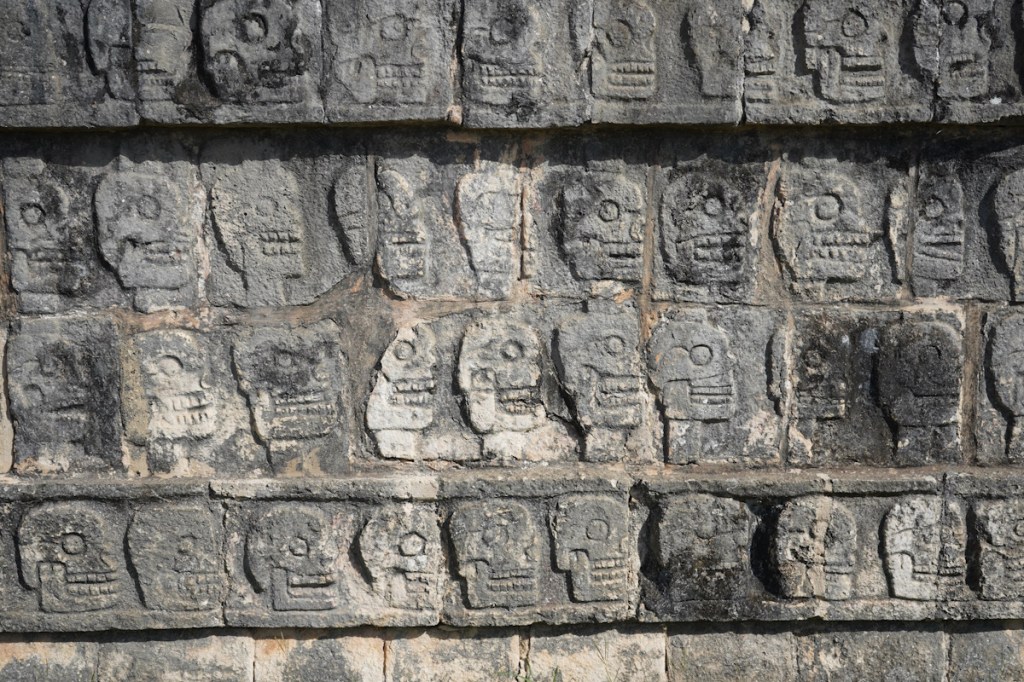
Chichén Itzá: A UNESCO World Heritage site and one of the New Seven Wonders of the World, Chichén Itzá is just a 45-minute drive from Valladolid. This ancient Mayan city is home to the iconic El Castillo pyramid, the Temple of the Warriors, and the Great Ball Court.
Ek’ Balam: A lesser-known but equally impressive archaeological site, Ek’ Balam is about 30 minutes from Valladolid. Visitors can climb the Acropolis and enjoy stunning views of the surrounding jungle.
Art and Culture: Discover Local Creativity
Valladolid has a thriving arts scene, with numerous galleries and cultural centers that showcase the creativity of local artisans.
Casa de los Venados: A private home turned museum, Casa de los Venados houses one of the largest collections of Mexican folk art. Visitors can take guided tours to explore the vibrant artworks and learn about the region’s cultural heritage.
The town also hosts various cultural festivals throughout the year, celebrating everything from traditional dance to contemporary art.
Relaxation and Wellness: Unwind in Tranquility
For those seeking relaxation, Valladolid offers numerous opportunities to unwind:
Many local hotels and haciendas feature beautiful gardens, tranquil courtyards, and refreshing swimming pools.
Indulge in a traditional Mayan massage or relax in a hammock while enjoying the serene surroundings. Valladolid’s laid-back atmosphere makes it an ideal destination for a peaceful retreat.
Day Trips and Nearby Attractions
Valladolid’s central location makes it the perfect base for day trips to nearby attractions:
Rio Lagartos and Las Coloradas: Just two hours north of Valladolid, Rio Lagartos is a biosphere reserve known for its diverse wildlife, including flamingos and crocodiles. Las Coloradas’ pink salt flats offer a stunning, surreal landscape perfect for photography.
Izamal: Known as the “Yellow City,” Izamal is a charming town where every building is painted yellow. It’s a unique destination filled with historical significance, blending Mayan and colonial influences.
Conclusion: Valladolid – A Hidden Jewel of the Yucatán
With its colonial charm, rich cultural heritage, and proximity to some of Mexico’s most famous attractions, Valladolid is a destination that offers something for every traveler. Whether you’re exploring ancient ruins, swimming in cenotes, or immersing yourself in local art and culture, Valladolid promises an unforgettable experience in the heart of the Yucatán Peninsula.
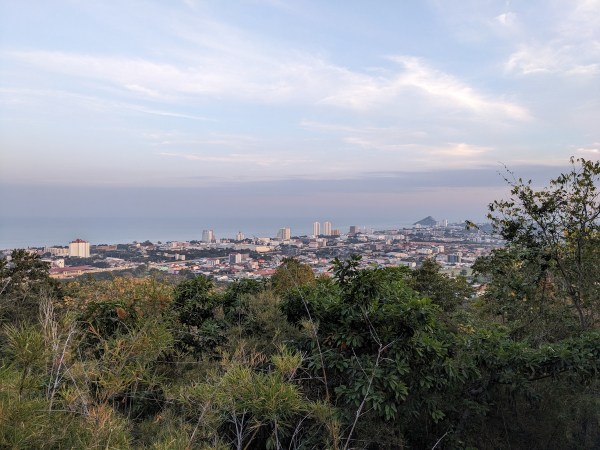
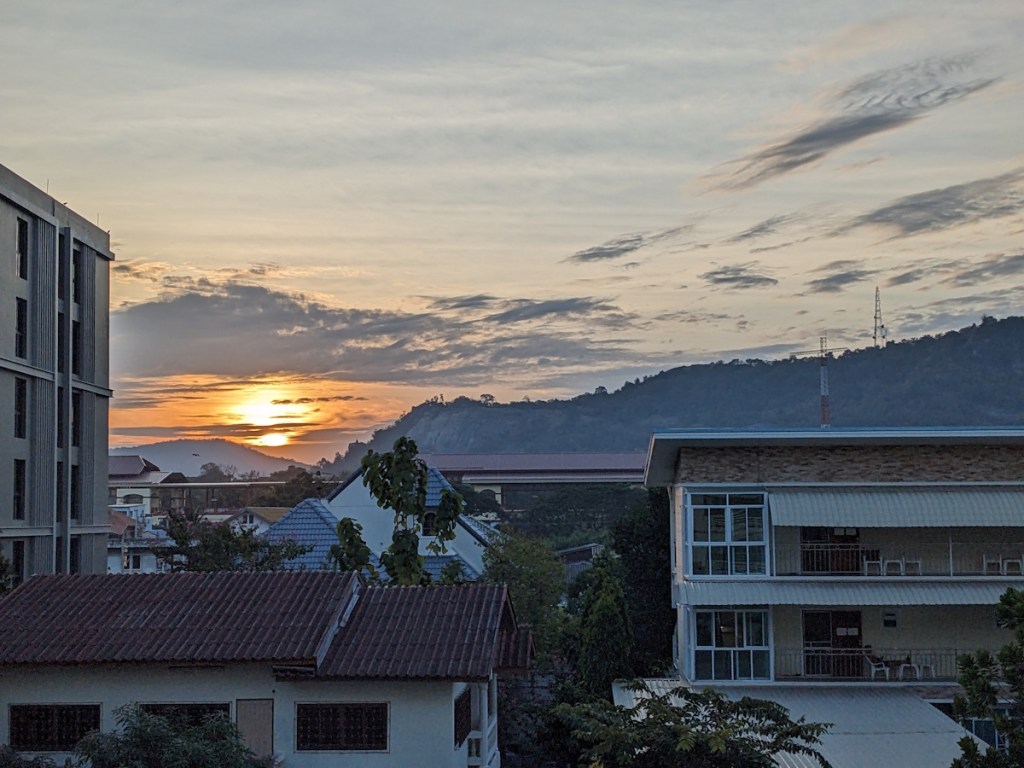
Hua Hin, a charming coastal town located on the Gulf of Thailand, seamlessly blends traditional Thai culture with modern amenities. Known for its royal heritage, vibrant markets, pristine beaches, and wellness retreats, Hua Hin is the perfect getaway for those seeking relaxation and adventure. Whether you want to soak in the sun, explore cultural landmarks, or rejuvenate your body and mind, Hua Hin offers it all.
Pristine Beaches: Sun and Sea Bliss
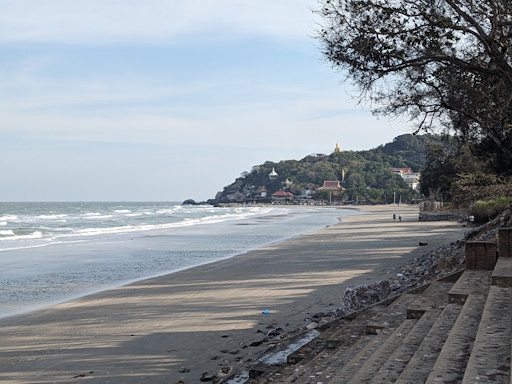
Hua Hin’s beaches are one of its main attractions, offering long stretches of soft sand and calm waters. The town’s main Hua Hin Beach is perfect for sunbathing, swimming, and water sports, while the quieter Khao Takiab Beach offers a more peaceful escape with stunning views of Wat Khao Takiab Temple nearby. Whether you want to try kite surfing, go for a swim, or simply relax under a beach umbrella, Hua Hin’s coastline caters to all types of beach lovers.
Royal Heritage: A Glimpse into Thai Royalty
Hua Hin has long been associated with Thai royalty, serving as a retreat for the royal family. The town is home to Klai Kangwon Palace, the summer residence of the royal family. While the palace isn’t open to the public, visitors can enjoy the surrounding views. Another must-visit is the stunning Maruekhathaiyawan Palace, often referred to as the “Palace of Love and Hope.” Built during the reign of King Rama VI, this beautiful teakwood palace offers exquisite Thai architecture and serene seaside views, giving visitors a sense of the town’s regal past.
Night Markets: Vibrant Shopping and Dining
Experience Hua Hin’s lively night markets, which are a highlight of the town’s vibrant culture. The Hua Hin Night Market and Cicada Market are brimming with local crafts, souvenirs, and street food. Sample Thai delicacies like mango sticky rice, grilled seafood, and freshly made roti. These bustling markets provide a glimpse into local life, with a fun and friendly atmosphere that makes it easy to explore and interact with locals.
Outdoor Adventures and Natural Wonders
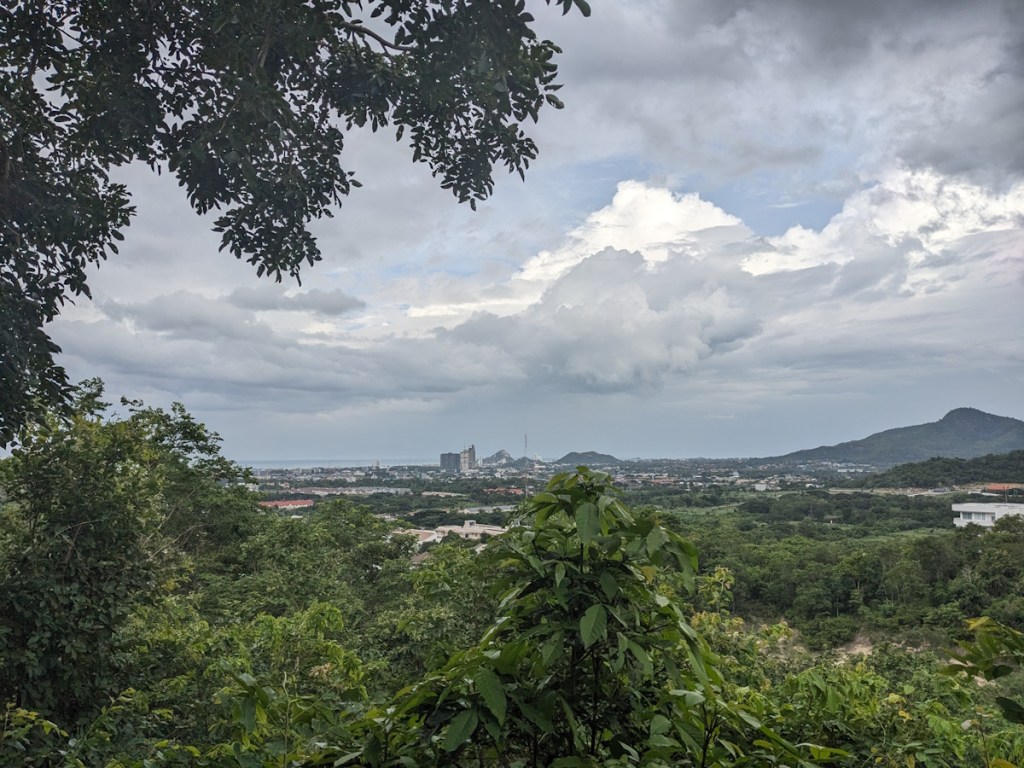
For nature lovers and adventure seekers, Hua Hin offers plenty of outdoor activities. Visit Khao Sam Roi Yot National Park, known for its dramatic limestone peaks, diverse wildlife, and expansive wetlands. Don’t miss the chance to explore the breathtaking Phraya Nakhon Cave, a hidden gem featuring a royal pavilion illuminated by natural sunlight streaming through the cave’s opening. Hua Hin also offers opportunities for hiking, cycling, and exploring its picturesque natural surroundings.
Golfing Paradise: Tee Off in Style
Hua Hin is a renowned destination for golfers, boasting some of the finest courses in Thailand. Black Mountain Golf Club and Banyan Golf Club are particularly popular, offering challenging layouts and stunning landscapes. These world-class courses cater to both avid golfers and beginners, making Hua Hin a top spot for golf enthusiasts.
Wellness Retreats: Rejuvenate Your Mind and Body
Hua Hin is also a hub for wellness, with numerous spas and resorts offering relaxation and rejuvenation. Many of the town’s top resorts feature holistic wellness programs, including yoga, meditation, and traditional Thai massages. Resorts like Chiva-Som are internationally renowned for their luxurious spa services, providing visitors with the ultimate wellness retreat to refresh both mind and body.
Cultural Highlights
Hua Hin offers a rich cultural experience with a blend of modern attractions and traditional Thai culture:
Wat Huay Mongkol: This temple is home to a giant statue of the revered monk Luang Phor Thuad. It’s a popular pilgrimage site and provides a peaceful environment for reflection and prayer.
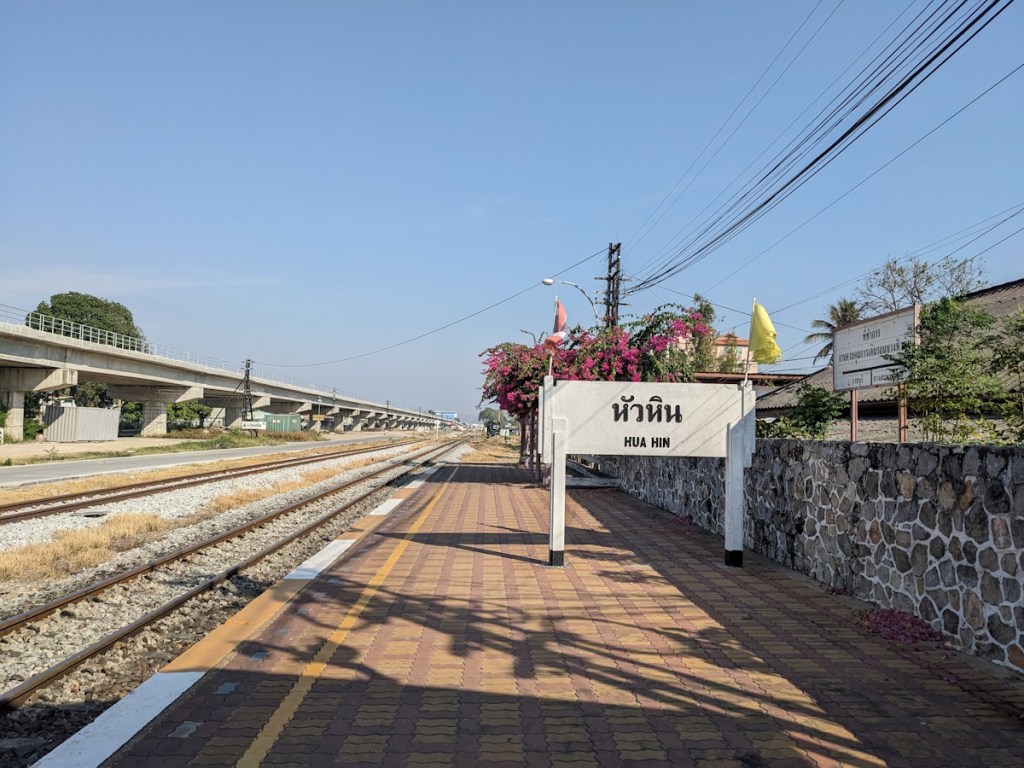
Hua Hin Railway Station: One of the oldest train stations in Thailand, this charming building showcases classic Thai architecture and is a popular spot for photographs.
Khao Takiab (Monkey Mountain): Located just south of Hua Hin, Khao Takiab offers stunning views of the coastline and a unique cultural experience. The mountain is home to hundreds of macaques, giving it the nickname “Monkey Mountain.” At the top, you’ll find Wat Khao Takiab, a hilltop temple that provides panoramic views of Hua Hin and the surrounding beaches.
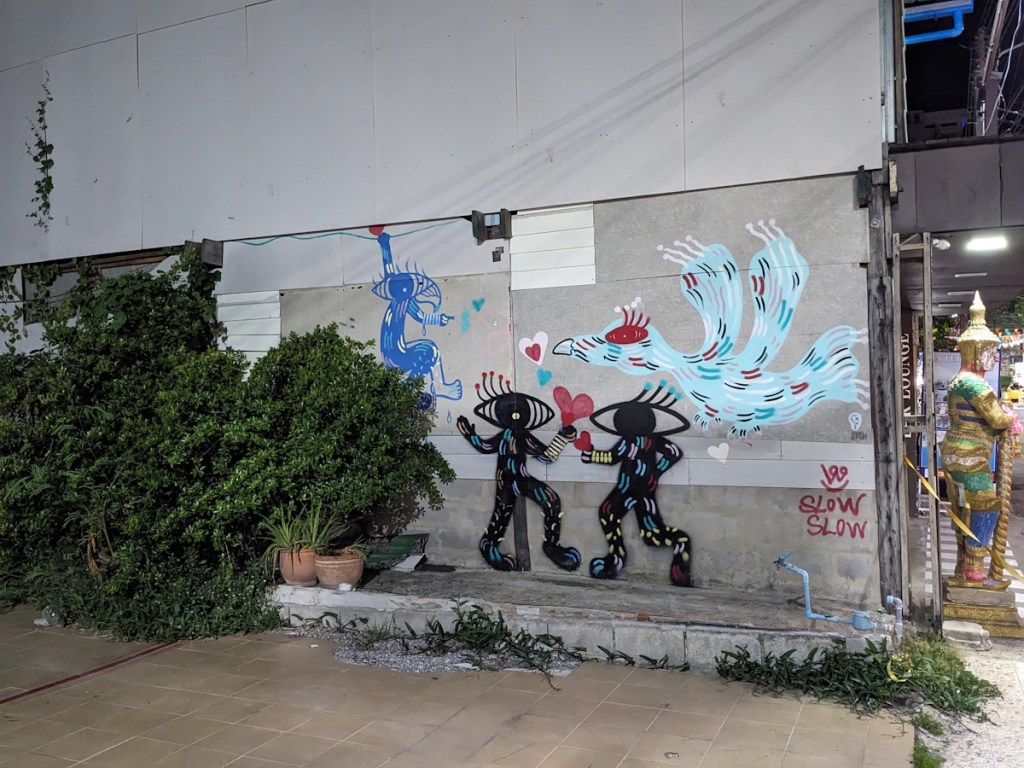
Hua Hin Artist Village (Baan Sillapin): For art lovers, the Hua Hin Artist Village is a hidden gem. This creative hub is home to local artists who exhibit their work, ranging from paintings and sculptures to traditional Thai crafts. Visitors can explore the galleries, purchase artwork, and even take part in art workshops to learn about Thai artistic traditions.
Wat Khao Krailart: This serene temple is located on a hillside and offers a peaceful atmosphere, away from the town’s busier areas. Wat Khao Krailart is known for its large golden Buddha statue and scenic views of the coastline. It’s a lesser-known spot, making it perfect for visitors seeking a tranquil cultural experience.
Hua Hin Jazz Festival: A highlight for music enthusiasts, the Hua Hin Jazz Festival is an annual event that attracts both local and international artists. Held on the beach, the festival features a blend of traditional and contemporary jazz performances, providing a vibrant cultural experience against the backdrop of Hua Hin’s scenic coast.
Klai Kangwon Palace Gardens: While Klai Kangwon Palace itself is closed to the public, the beautifully maintained gardens surrounding the palace are open to visitors on certain days. The gardens offer a peaceful retreat, with manicured lawns and tropical plants. Walking through the grounds gives visitors a glimpse of the regal charm associated with the royal family’s summer residence.
Dining and Cuisine: A Food Lover’s Paradise
Hua Hin is known for its fresh seafood and diverse dining options. From beachfront seafood restaurants to street food vendors, the town offers a culinary experience that caters to all tastes. Must-try dishes include grilled prawns, crab curry, and fried squid, along with international cuisine that reflects the town’s popularity with tourists and expats alike.
Best Time to Visit
Hua Hin enjoys a tropical climate, with the best time to visit being from November to February when the weather is cooler and drier. This season is perfect for outdoor activities, beach relaxation, and exploring the town’s natural and cultural landmarks.
Conclusion: Hua Hin – A Perfect Blend of Tradition and Modernity
Hua Hin’s unique combination of royal heritage, serene beaches, bustling markets, and wellness retreats make it a standout destination in Thailand. Whether you’re drawn to its cultural landmarks, natural beauty, or simply looking for a relaxing getaway, Hua Hin has something to offer every traveler. Explore this coastal gem and immerse yourself in its charming blend of relaxation and adventure.
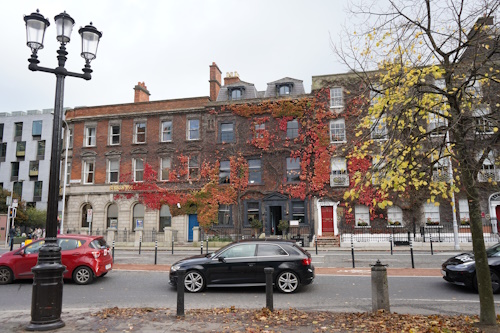
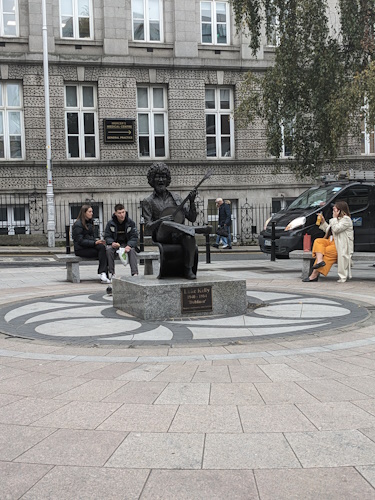
As I stepped onto the cobbled streets of Dublin, a city with a heart as warm as its people, I knew I was about to embark on a journey rich in history, culture, and undeniable Irish charm. Dublin, the capital of the Emerald Isle, greeted me with an energy that echoed through its historic landmarks and vibrant neighborhoods.
Historical Treasures and Literary Havens
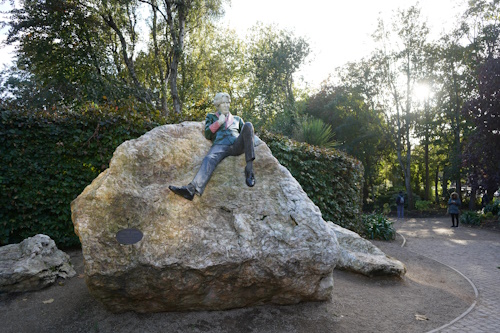
Dublin, a city steeped in history, boasts an array of historical treasures. From the imposing Dublin Castle to the hallowed halls of Trinity College, each corner tells a tale of times gone by. Dive into the literary havens that inspired greats like James Joyce and W.B. Yeats, exploring the cozy nooks of bookshops and the bustling atmosphere of historic libraries.
Irish Pubs and Culinary Delights
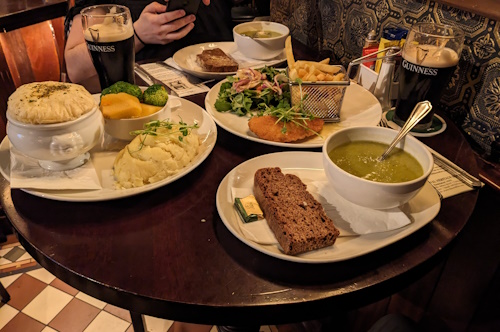
No visit to Dublin is complete without a journey into its legendary pubs. Immerse yourself in the spirited ambiance of places like The Temple Bar and O’Donoghue’s, where live music and hearty laughter fill the air. Indulge in traditional Irish cuisine, savoring classics like hearty stews and perfectly poured pints of Guinness.
River Liffey Serenity
Stroll along the banks of the River Liffey, where the city’s heartbeat meets a serene waterfront. Capture the essence of Dublin’s bridges, each with its unique story, and revel in the peaceful moments that make the river a central character in the city’s narrative.
Cultural Hubs and Artistic Corners
Dublin’s cultural scene is vibrant and eclectic. Explore the city’s artistic corners, from the contemporary exhibits of the Irish Museum of Modern Art to the intimate performances at The Abbey Theatre. Dive into the local arts scene, where creativity knows no bounds.
Local Encounters and Neighborhood Gems
Beyond the tourist hotspots, Dublin unveils its local gems. Wander through the colorful streets of Temple Bar, where street artists and quirky shops beckon. Share a friendly chat with locals in the Liberties, savoring the genuine warmth that defines Dublin’s community spirit.
Practical Tips for Your Dublin Adventure
Transportation: Dublin’s compact size makes it ideal for walking, but the city’s efficient public transportation system also offers a convenient way to explore.
Accommodation: Choose accommodations that capture the essence of Dublin’s charm, whether it’s a cozy bed and breakfast or a boutique hotel in the heart of the city.
Dining: Venture beyond the obvious and try local eateries for an authentic culinary experience. Don’t miss the chance to savor traditional Irish breakfast delights.
Exploration: Consider booking a bus tour to get a comprehensive overview of Dublin’s major landmarks and attractions. It’s a convenient way to navigate the city while enjoying insightful commentary from knowledgeable guides.
As I reflect on my Dublin adventure, the memories are a kaleidoscope of laughter in the pubs, the melody of Irish music in the air, and the timeless beauty of a city that seamlessly blends its rich history with modern vibrancy. Dublin invites you to explore its streets, soak in its culture, and become a part of its enduring story. Embrace the charm, revel in the warmth, and let Dublin weave its magic around you. Sláinte!
In the relentless whirlpool of youth, it’s all too easy to become ensnared in the labyrinth of our own daily routines. Lost in the vortex of self-absorption, we blind ourselves to the kaleidoscope of existence beyond our immediate spheres. Yet, as we embark upon the curious path of the amateur social anthropologist, we unlock a portal to understanding the symphony of cultures and societies that weave the tapestry of our world. A tapestry, I might add, that bears the intricate brushstrokes of human interaction, tradition, and beliefs – a masterpiece of existence.
Social anthropology, an oracle of insights into the human mosaic, transcends mere academic discourse. It peels back the layers of existence, exposing the raw fibers of connection that unite us across time and space. It is a harmonious blend of disciplines – sociology, psychology, history, linguistics – painting an enchanting panorama of human interactions.
The Importance of Studying Cultures and Societies
Studying cultures and societies is essential for understanding the world around us. By studying how different groups of people live, work, and interact with one another, we can gain a deeper understanding of their needs, values, and beliefs. This understanding can help us to develop empathy and respect for others, even if they come from vastly different backgrounds.
Additionally, understanding other cultures and societies can help us to become better communicators. When we understand the values and beliefs of others, we can communicate more effectively with them, avoiding misunderstandings and conflicts.
Examples of Social Anthropology in Practice
Social anthropology is used in a range of settings, from academic research to public policy development. Here are a few examples of how social anthropology is applied in practice:
Understanding the impact of cultural practices on healthcare outcomes: Social anthropologists have studied the impact of cultural practices on healthcare outcomes. For example, researchers have looked at how cultural beliefs about pain and illness can affect treatment adherence and patient outcomes.
Developing effective public policy: Social anthropologists have also been involved in developing public policy. For example, in Canada, social anthropologists worked with indigenous communities to develop policies that respect indigenous rights and promote cultural revitalization.
Studying social movements: Social anthropologists have also studied social movements, such as feminist and anti-racist movements. By understanding the social and cultural factors that drive these movements, researchers can develop strategies to promote social change.
Why Become an Amateur Social Anthropologist?
Becoming an amateur social anthropologist has several benefits. Here are a few reasons why you should consider becoming an amateur social anthropologist:
Improved empathy and understanding: Understanding other cultures and societies can help you to develop empathy and respect for others. This understanding can help you to build stronger relationships with people from different backgrounds and improve your communication skills.
Better communication skills: When you understand the values and beliefs of others, you can communicate more effectively with them, avoiding misunderstandings and conflicts.
Opportunities for personal growth: Studying other cultures and societies can help you to broaden your perspectives and challenge your own beliefs and assumptions.
How to Become an Amateur Social Anthropologist
Becoming an amateur social anthropologist doesn’t require a degree in anthropology or extensive training. Here are a few tips for observing and studying cultures:
Observe: Take the time to observe the cultures and societies around you. Pay attention to the way people interact with one another, their traditions, and their beliefs.
Ask questions: Don’t be afraid to ask questions. People are often happy to share their experiences and beliefs with others.
Read: There are many books and articles on social anthropology that can help you to understand the theories and methods used by social anthropologists.
Travel: Traveling can be a great way to observe and learn about other cultures and societies.
Here are a few suggestions for incorporating social anthropology into your everyday life:
Learn about the history and culture of your community: Understanding the history and culture of your community can help you to develop a deeper appreciation for the people and places around you.
Attend cultural events: Attending cultural events, such as festivals and exhibitions, can help you to learn about different cultures and societies.
Volunteer with community organizations: Volunteering with community organizations can provide opportunities to work with people from different backgrounds and learn about their experiences.
Be open-minded: Keep an open mind when interacting with people from different backgrounds. Try to understand their perspectives and experiences, even if they differ from your own.
Traveling as an Amateur Social Anthropologist
Traveling can be a great way to observe and learn about different cultures and societies. Here are a few things to keep in mind when traveling as an amateur social anthropologist:
Be respectful: Respect the customs and beliefs of the people in the places you visit. Be aware of local customs, dress codes, and etiquette.
Be curious: Ask questions and be open to learning about different cultures and societies. Try new foods, attend cultural events, and talk to local people.
Be observant: Take the time to observe the way people interact with one another and their environment. Pay attention to the physical environment, architecture, and art.
Keep a journal: Keeping a journal can help you to reflect on your experiences and observations. Write down your thoughts and reflections on the places you visit and the people you meet.
Conclusion
Becoming an amateur social anthropologist can be a rewarding and enriching experience. By understanding different cultures and societies, we can develop empathy, respect, and better communication skills. Whether you’re traveling, volunteering, or simply observing the world around you, there are many opportunities to learn about the diverse cultures and societies that make up our world. So why not start today and become an amateur social anthropologist?








 Cloud Champion